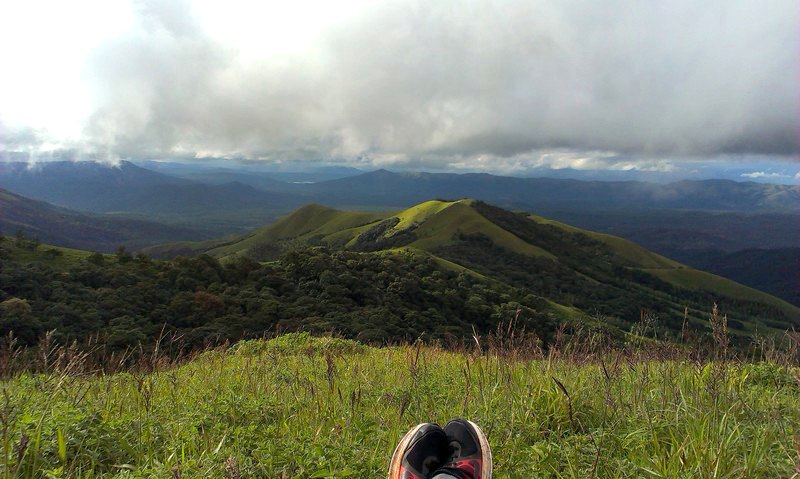
How To Reduce Waste On Treks

Climate change is happening and we are worried for us and our future generations. Glaciers are melting, the earth is getting warmer day by day and the Carbon Dioxide levels in the air is higher than it has ever been. The people of the world are calling for action from their respective governments, but no proper action is being taken by them. At a time of crisis like this, we should take it in our hands to reduce waste production, especially plastic. As trekkers, we must ensure that mother nature is free from all the unwanted dirt and is kept clean. For the sake of this, here are a few ways through which we can reduce waste.

  1. Learn To Reduce Waste At Home

Living in urban settings, we have forgotten to take care of the environment. We are too lazy to segregate our waste into Biodegradable and Non-Biodegradable and are way too dependent on the Municipal Corporation for that. We should be more responsible. All learning starts at home, so the practice of being responsible for the environment also should start from home. It is high time we teach our children to go green and for that we need to become an example for them. If you inculcate this green habit in your daily life, you will act responsibly while trekking also.


2. Avoid Carrying Food Packed In Plastic

While on treks, we are advised to eat less, but more often. This is because the body needs that much energy to keep pushing limits. Hence we tend to pack varieties of food like, energy bars, chocolates, dried fruits, nuts, etc. But most of these items come in plastic packaging and this is how they are sold. When you’re going on a trek, dispose of the plastic cover and put it in the segregated trash can for “Non-Biodegradable waste,” then put the food in tiffin boxes and carry them. Read the article “Why Do We Want You To Carry Tiffin Boxes On Treks” to understand better.

3. Bring Back Your Trash

It is impossible that you go on a trek and waste is not produced. You carry so many things with you to use and chances are you end up having things with you that you don’t need anymore. Sometimes we have no other option and we carry stuff packed in plastic. You know what? It’s okay! We can produce waste, it’s only normal to do so, but do not litter! Make sure you have packed all your plastic waste so that you can bring it back home with you. Once you’re home, you can segregate the waste and dispose it properly. It’s not that difficult, now is it?

4. Carry Reusable Bags Or Containers

Tiffin boxes, paper/cloth bags, etc are a few of these reusable items that can be used to carry various things. If you have waste, gifts of nature like fruits, shells, or anything you want to bring back home with you, these reusable carriers are the best option for you if you care about the environment. Say no to plastic and you’ll see how much of a difference you are making. An average Indian is believed to produce approximately 2 kgs of waste per day, most of which is hazardous to the environment! Can you imagine how much of a difference just one person’s positive change in habits can bring about?

5. Clean Up If You See Waste

Another wrong thing that we do is ignore the wrong that is not done by us. When it comes to trekking, it is possible that you did not litter, but just that, doesn’t really make you a responsible trekker! If you see waste thrown around you already, make sure you clean up! Forget who made the mess, be responsible towards the welfare of this planet and clear the mess. Project Green, an initiative by Get Beyond Limits does just that! We go on treks, enjoy, clean up the place and do our best to save the planet.

6. Educate Locals If Necessary

Sometimes the locals are the ones littering and when you go on treks, you tend to be disappointed by the degrading status of the place you’re visiting. A responsible trekker ensures that he/she educates the locals on the repercussions of littering and makes them understand the importance of going green. Through Project Green, we’ve seen that over the years, when the locals see us cleaning up an area, they tend to learn and join us. This is an experience we would like you to experience as well. This makes us connect with nature and the locals at the same time. Making the world a better place to live was never this fun!

 We aren’t perennial beings, but our life expectancy used to be a hundred years. Look at us now. Due to all the pollution and toxic fumes in the air, our life expectancy has come down to seventy-nine years. We are endangering so many species and the scariest part of all this is that we’re endangering ourselves. I’m not asking you to drastically change your lifestyle, but what I’m asking you to do is, at least take baby steps. If you’re a trekker, be a responsible one and reduce waste. Be respectful towards the environment and it will be respectful towards you.

Compiled by: Shrija Bhattacharya

shrija.b9@gmail.com

If you wish to go on a trek or a camp anytime soon, let us take you with us. To book your slot visit www.getbeyondlimits.com 

For any further details contact us via email – connect@getbeyondlimits.com


Why Do We Want You To Carry Tiffin Boxes On Treks

It is insisted time and again, yet trekkers do not carry tiffin boxes on treks. While some believe that this has to do with the fact that carrying food in these boxes are easy, there are many other reasons behind this. From being an environmentally safer option, to coming handy during the treks, there are a lot of perks if you inculcate this habit. If you want someone to persuade you into believing in the fact that carrying tiffin boxes on treks is a good thing, let me do it for you. Here are a few important reasons why one must carry tiffin boxes with them on treks.

Reduces Production of Waste

Climate Change is taking the world by storm right now. Activists are fighting to save the earth and if there is one way through which we trekkers can contribute to saving mother nature, it is by reducing waste production. 

If you’re carrying your own food items in your tiffin boxes, you’ll consume less of junk that comes in plastic packaging and the chances that you throw them out in the open go down drastically. Also, trekkers tend to carry protein bars and sachets of milk powder and other food products. If you can bring these items in an airtight box, I don’t see the dilemma of “Where to throw the junk?”

Tiffin Boxes Can Be Part-time Storage Boxes

It often happens that when we are travelling, we tend to pack well at the start of the journey. But as the journey ends and we have to re-pack to get back home, we have added a few more items to our baggage. This happens during treks too. 

Storage space is limited when you’re travelling or trekking. After you’ve finished eating the contents of your tiffin box, the empty box can be a part-time storage box! Just take the stuff that can fit into the space and viola! Your storage problems are solved! Now you know how handy these boxes can be!

Reusable

Well, I know disposable cutlery or food packaging is easier and time saving, but like I mentioned earlier, they are a bane to the environment. However, a tiffin box is reusable and lasts for further use.

It’s not that hard to wash a tiffin box. Just take water and rinse it while on a trek! Also, if you want to eat your lunch and you realised that you have forgotten to get a plate, a tiffin box is a great alternative for this. However, I would suggest you guys to invest in a steel box as they are easier to clean as compared to the plastic ones.

Sharing Meals And Socializing

Socializing on treks is very important. You need to help out your fellow trekkers when they are in need and build new friendships. Aristotle once said, “Man is a social animal” Hence, making connections is a necessity for us humans. 

Food can be an extraordinary medium to build connections between people. And if you’re carrying your own tiffin boxes, you can share your food with fellow trekkers and get to know them better. Remember in school when the tiffin breaks saw the making of new friends? It’s all the same here.

Ensures You Eat Healthy

Carrying chips and soft drinks on treks is not a good thing at all! Not only do they affect your health, but these junk food also come with plastic packaging that are too tempting to be thrown around for us Indians

If you carry tiffin boxes, you will want to carry healthy home-made food or meals. Nothing can be better than eating healthy while on treks as stamina and energy are very important to be a trekker. 

Trek-Friendly Tiffin Boxes

Technological advancements are making human life easier day-by-day. Now that there are sub-sects and varieties of almost everything available, trek-friendly tiffin boxes are a new trend among trekkers that I definitely approve. 

Compact and enough storage for a variety of dishes, these tiffin boxes can be shopped online via various brands and online shopping sites. Their compact size ensures easy carrying and space management makes sure that you get to carry as many things as you like! Doesn’t this sound great?

Trekking is liberating and life-changing. These little habits that we inculcate not only make our trekking experience better, but it also makes a positive impact on our fellow trekkers and nature alike. I know that carrying tiffin boxes alone is not the only factor, but it certainly is one of them. So make sure you carry your tiffin box on your next trek!

Compiled by: Shrija Bhattacharya

shrija.b9@gmail.com

If you wish to go on a trek or a camp anytime soon, let us take you with us. To book your slot visit www.getbeyondlimits.com 

For any further details contact us via email – connect@getbeyondlimits.com

Most important gear for a Summer Trek V/S Monsoon Trek

Organized gear for any type of trek is one of the most essential parts when it comes to prepping for a trek. Although there are certain things which make a summer trek gear distinct from a monsoon trek ones, here are the 5 most important gear required for a summer trek followed by the 5 most important gears for a Monsoon trek. Read On…

  1. Water Bottle: Staying hydrated is the most important thing while trekking, especially during the summer. Dehydration also results in Acute Mountain Sickness (AMS). When you are hiking, your body dehydrates but most times due to cold or cool temperature, you do not realize you are sweating. Hence, sipping water from your bottle frequently will keep you hydrated.  
download.jpg

2. Good Quality Hiking Boots: It goes without saying, but good hiking shoes are the most integral part of a trek. Without them, you will not be able to trek for a long time. When it comes to the shoes, prices do matter. Because when you buy a cheap pair of boots in order to save some bucks, they might not do justice to the amount you’ve paid already. Always opt for durability and toughness, to avoid blisters or any other major foot infections or injury.

images.jpg

3. Sun Glares: More than the fashion quotient, glares are for the protection of the eye from  the harmful UV rays, especially during the summer because the rays are the strongest. If god forbid, by any chance you get into direct contact with the rays, you may lose your vision partially or in some cases, completely! Please buy a trusted brand of eye wear, because they are  professionally made for the protection of the eyes itself!

images (1).jpg

4. Cap/Hat:  Whenever hiking or trekking in open, you should always protect yourself from the direct exposure of skin to the sun. Sometimes the sunburn can be really bad and if you are too much into hiking and trekking, then buying a cap or hat will help you in a lot of ways.

images (2).jpg

5. Sunscreen/ Sun Blocks: You must protect yourself from UV rays and direct sunlight, especially while traveling or trekking/hiking. Use sunscreens with SPF 70 or more as I have seen some really bad cases of sunburns which proved very painful for quite a few days after the trip. You can also carry lip balms with SPF rating to protect lips getting sunburn.

images (3).jpg

                              5 Must haves for a Monsoon Trek

  1. Poncho: A good quality poncho is like a great monsoon trek buddy. It avoids getting us drenched in rain and also keeps us free handed while trekking. An umbrella while trekking is as useless as a computer without its CPU. No umbrella can withstand the wind at high altitudes while it’s raining. Plus it is a burden for the trekker, because in monsoon the slopes are slippery than ever, so when we have a free hand, we might be able to break a slip, if we’re about to fall, but when you use an umbrella instead you cannot save yourself from falling!
images (4).jpg

2. Floaters: Carry an extra pair of footwear, but only floaters and not flip flops. You should carry them because when you are trekking, at the campsite, where you rest for the day in the evenings or nights, you might want to keep your shoes for drying to avoid any kind of infection. And, floaters are the best alternative, to roam around the cliffs, as they are rigid, and provide you some amount of support.

images (5).jpg

3. Non- Cotton Pants and Full sleeve Tshirt: Cotton should be avoided during trekking, especially in the Himalayas and monsoons in Sahyadris (Maharashtra). Cotton or denim does not soak as much water like the synthetic does. Most people prefer breezy cotton wear while trekking, but we recommend you to wear full sleeves synthetic clothes and pants.

images (6).jpg

4. Reusable Plastic bags: Believe it or not, they are a life saviour while trekking. Carry a bunch of them to keep wet clothes which you no longer need. You can dump anything and everything inside a plastic bag and then place it in your bag, to avoid it from getting wet. Necessary items like wallets and phones can also be stored in mini plastic bags. But make sure you do not pollute the vicinity by dumping them anywhere on the way.

images (7).jpg

5. Change of clothes: Carry a good amount of change of clothes to avoid falling sick. If the clothes are drenched in water, you may catch a cold or cough. In severe cases you can also get pneumonia. To avoid any such diseases, carry as many clothes possible. 

images (8).jpg


Do not waste your summer vacations, merely by sitting at home and binge watching    random Netflix series, on the contrary test your horizons, and experience a trek for the lifetime. In the rainy season, you might want to be extra careful to take up the trek, but some extra care to walk those extra miles on the high altitudes will get you a long way!

Compiled by: Pratusha Asawalikar

pratushaasawalikar@gmail.com

If you wish to go on a trek or a camp anytime soon, let us take you with us. To book your slot visit www.getbeyondlimits.com 

For any further details contact us via email – connect@getbeyondlimits.com


5 Interesting facts about the Roopkund Trek

The Roopkund trek is a six-day trek situated in the state of Uttarakhand, India in the Garhwal region. It is situated at 4,800 mts above the sea level.  The base camp of the trek is Lohagunj. Lohagunj has many fields of Chaulai (a crop mainly used for making a vegetable). They grow in different colors, hence the village is also very colorful, and there is a lot of greenery around the village. It is 505 kms from the city of Delhi. Delhi to Kathgodam distance is around 280 -300 km and can be reached by bus or train both. The actual journey for Lohajung trek starts from Kathgodam. 

This trek is mainly famous for its glacial lake. It is an ideal trek for beginners and whoever wants to explore the range. The spooky stories of skeletons lying there for hundreds of years make it all the more interesting and fun. Here are some reasons that will definitely convince you to take the hike.  

  1. The name of the lake itself has many theories as to why the name “Roopkund”.  According to a local guide, Lord Shiva’s wife Parvati went towards the lake to glance at her own beauty. “Roop” means beauty and “kund” means lake.

2. In 1942, a British forest guard, HK Madhwal discovered a skeleton floating in the lake at 16,000 feet above the sea-level. It was believed to be a body of a Japanese soldier during the invasion of World War 1, but the skeleton was too old for that. Scientists researched about it and found out that the other skeletons found here were of the 200 pilgrims who died due to hailstorms. Trekkers can still spot the skeletons if it doesn’t snow heavily. 

3. Bedini Bugyal, at a small distance from, Ali Bugyal which is one of the largest meadows in India has another famous mythological story.  According to local legend, Parvati’s ill health made her halt at Bedini, where Gods came down from the heavens to wish her a quick recovery.

4. Another campsite, Patar Nachuni has a very interesting story. Raja Jasdhaval and his wife, Rani Balampa were expecting a child. The priest of Kanauj suggested a pilgrimage to Homkund, to get the blessing from Nanda Devi. Raja started the pilgrimage with his Royal family, servants, dance troupe and most of his kingdom. Goddess Nanda Devi was not impressed with Raja having entertainment in the pilgrimage. The goddess got so angry that she pushed the huge rocks towards the dancers and ultimately killed them.

5. The ideal camp to begin the trek is Lohajung. It is said that Parvati too stopped at Lohajung to rest. She fought a demon Lohasur, who was blocking her way to the mountains, where she was to meet a dancer who highly respected Lord Shiva.

           Push yourself, just don’t sit back and virtually try to take the skeleton lake trek tour, experience it for yourself. Trust me, it will be much better than my words or pictures. Create your own story, by actually seeing all that for yourself!

Compiled by: Pratusha Asawalikar

pratushaasawalikar@gmail.com

If you wish to go on a trek or a camp anytime soon, let us take you with us. To book your slot visit www.getbeyondlimits.com 

For any further details contact us via email – connect@getbeyondlimits.com

Ishan Sharma and the Mt. Frey Experience

“Never take a mountain for granted” – Ishan Sharma

Not many know about Mt. Frey, but those who do, know that this is one of the most beautiful and difficult mountains to climb in India. A beauty in the Himalayas, Mt. Frey was a dream peak to climb for Ishan, someone who knows no limits when it comes to adventures in life. His story with regard to climbing Mt. Frey is an inspiring tale to those who aspire to be mountaineers. And that’s exactly what he shares with us… a story to inspire!

Mount Frey is a difficult mountain to climb. Tell us about your experience.

It was a very varied experience. When we say we are climbing a mountain, we end up thinking about that one instant when we reach the summit, look at the view and forget how we got there. The journey was a mixture of different kinds of experiences and once on top of Frey, it was absolutely worth it.

Technically, From Chaurikhang, back to Chaurikhang it took us four days.

DAY – 1 The first day was called Load Ferry. So, Load Ferry essentially means that you carry your load like, food, utensils, cylinders. All of us had to carry around 15kgs of load, per person till the base camp of Frey, where we left our luggage. That day it was snowing really bad and the weather was not favourable for Load Ferrying at all, but we had to do what was planned.

DAY – 2 The next day we took our personal luggage, just the essentials that we required for the next two days. Along with that we carried some extra items like, ready to eat noodles, packed food, chicken and some utensils. Part of the things we carried were our stuff, part of it was kitchen equipment and tents. We reached the camp at Frey on the day two by the afternoon and we did nothing during the evening.

DAY – 3 We started around 2 am on the third day. This was the day we reached the summit and then came back by 3 pm. So, that was around 11-12 hours of mountaineering. After that we were too tired to go down and the weather was not favourable. So, we spent the night again at the camp of Frey.

DAY – 4 On the fourth day, we woke up early and had to Load Ferry again. We had consumed all the food, but we still had utensils and other things to carry. And then we made it back to Chaurikhang.

How different was Mount Frey from the other mountains you have climbed? What are your dream peaks to climb, like every mountaineer has one?

Mt. Frey was a very technical mountain, unlike anything I’ve done in the past. The gradient of climbing was also much higher. Mt. Frey was very rocky and the amount of snow was very intense. There were moments when my legs, up till my waist were covered in fresh snow and if you don’t take out your legs properly, chances are you will fracture your legs. I’d never experienced that before.

Mt. Frey was the No.1 on my “To climb list”. There is a story behind this. So, back in 2015 when I completed my Basic Mountaineering Course, Salwat sir (Team GBL) had already done his basic course by then and he had told me about this beautiful mountain called Mt. Frey. Till then I wanted to climb the Everest like any other mountaineering aspirant, but in 2015, during my basic course, I’d just sit at the camp and look at Mt. Frey. From that time on, Mt. Frey was the most beautiful mountain I’d ever seen. In fact in 2019 when I decided to do my Advance Mountaineering Course, the applications for Frey were not available. One of the main reasons why I applied in Himalayan Mountaineering Institute again was so that I could look at Frey again.

There is a very beautiful mountain in the Swiss Alps called Matterhorn. I put it No.2 on the list of the most beautiful mountains after Mt. Frey. Before I climb Everest or any other mountain, my heart would be at Matterhorn.

What were your thoughts when you were about to start the climb to Mt. Frey?

I was very excited. I was reminding myself constantly that I’ve worked very hard to get here. Another thing was, I kept telling myself that the next two days, I will remember for the rest of my life. I could remember it for two reasons, either I would make a great excuse or I would make a great story. I get to choose how I remember it and I choose to make a great story.

What were your thoughts after reaching the summit?

I thought I will go on top of Frey and start crying and my tears would freeze mid-way. But nothing of that sort happened. When I got to the summit, it was definitely a satisfying feeling, but it wasn’t like the way anybody would anticipate. It was very different because when you’re actually at the summit, you realize that it is just half done. Going up is optional and coming down is mandatory. Yes, there was a sense of satisfaction and a sense of gratitude, but when I reached on top, I was not in that zone wherein I was shedding tears of joy.

However, for the first time in my life I got to see Mt. Everest. There are many other ways to see the Everest, but I saw it from another peak. For example, there is a Micro-light plane from Kathmandu that goes around Everest and comes back and you can see the Everest from the sky. You can also view Everest from the Everest base camp, but looking at Everest from another mountain that you just climbed is a bonus, especially after around 11-12 hours of climbing. I told myself that if I ever see Everest, I’ll see it in worthy light. The first time I saw the Everest, I was on top of Mt. Frey.

Any problems or dangers that you faced during the climb?

Absolutely! So, there is a thing called “Anchoring,” that is, you either tie a rope around a big rock or around a natural anchor like a tree, but there aren’t any trees at that altitude. Or you use technical equipments that will hold the rope. So at one point, we had tied our rope around a very big rock and around ten of us successfully used that rope to climb up and climb down. There were three people who faced trouble. There was this one guy from the Army and as he was getting down, that huge boulder slipped and it was about to almost topple him. If not kill him, it would cause him permanent damage. It just missed him by a few inches and since his entire weight was on the rock, he was weightless at that point. He could barely manage to save himself. There were other two also who were dependent on the rope, but they managed to be safe. But this was an incident where if anybody would be hurt, at that altitude, there was no scope of rescue. We had come a far way from Chaurikhang.

Frey, like I said is a very rocky peak. And because of the snow, the rock kind of gets covered by it. So it is difficult to pick the rock. There were moments we had to rock climb and fix-rope. There were moments when I was rock climbing and I could feel that the rock is about to fall and if it would fall, the person behind me would get hit. So I had to make sure that the rock doesn’t fall. And I think even the others ensured that, but even that could’ve been extremely dangerous.  

Now that you look back on the experience. How different is the feeling now compared to then?

Very different. At that moment I couldn’t digest it, but now when I think about it, I’ve digested it partially. I know that it was once in a lifetime experience. I was really lucky to get passage to Frey top and back. When I look back now, I realise that there are so many things we got exposure to. It was so cold there and we lived in a place where there was absolutely nothing else. During the advanced course training, we lived in the campus where batches would come and instructors would be familiar faces. Here things were very different. There was no civilisation around us and the experiences varied. People kept getting stuck in fresh snow and the wind was so intense that there were moments that we had to wake up in the middle of the night and hold the tent, so that it doesn’t fly off.

Was there any point during the climb where you felt like you might not be able to make it? What kept you motivated to keep going?

One of the criterias for climbing Mt. Frey was that the basic course had to be done recently, but I’d done it far back in the day. So I thought I wouldn’t go, but one hour before it started, the instructors told me that I can do it and that I had to pack up my stuff immediately. Hence I was going through a turmoil of emotions throughout.

After the second day’s Load Ferry, I was so fatigued. It had never happened in my life before… I just wanted to lie down and do nothing. One of my friends came up to me and told me that I had “Glacieritis” I don’t even know if it’s a real thing! He probably made it up. But that scared me at that time because I didn’t want to fall sick on the mountain, so I immediately got up. This was one such moment when I genuinely wanted to just lie down and stay like that, but what kept me going was when he told me that I was suffering from a particular problem.

Any tips for those who aspire to climb Mt. Frey?

Not just Mt. Frey, but any other mountain for that matter. Never take a mountain for granted and not just Mt. Frey, but if your preparation is less, you shouldn’t do it. Do not wait for the odds to be in your favour, but instead make sure that the odds are in your favour. So, I’d just say that know what you’re signing up for. Yes, best news comes after the hardest climbs.

Can you tell us something interesting about Mt. Frey that you learnt while you were there?

Mt. Frey is named after a famous mountaineer named George Frey. It is believed that George Frey was on a mission to climb Frey along with Tenzing Norgay, but before they started, they got into an argument. George Frey with confidence did not listen to the advice of Tenzing Norgay to put on his crampons and eventually fell and died. Legend has it that George Frey’s Ice axe and crampons are still lying at the base of Mt. Frey.

ISHAN SHARMA AND HIS EXPERIENCE COMPLETING THE ADVANCE MOUNTAINEERING COURSE – AN INTERVIEW

If the sky’s the limit, then we have just not tried enough.

We all aspire to achieve something big someday. Be it wanting to be an engineer, doctor, entrepreneur or something less common like a mountaineer. One thing that bounds all these aspirations together is hard work and sheer determination. If you’ve got the combination of these two inside of you, nothing can stop you from reaching the zenith of success.

One such mountaineer who knows no limits is Ishan Sharma, who recently completed his Advance Mountaineering Course. From the difficulties, technicalities and the inspirations that made this a wholesome experience for Ishan, he shares with us exactly that… An experience of a lifetime!

How to prepare for the course? How would you say your preparations were?

The preparations for me were mostly two things – 1. Definitely physical preparation which is getting in shape for what’s in store. As I’d already completed my Basic Mountaineering Course, I knew what level of fitness was expected. I had  been doing Yoga since the past six months, but before that, last year I’d run a 40 km marathon. I wasn’t sure if Yoga would be enough, but it turned out it was. 2. Mental preparation for me was getting in the zone, which was accepting that it was going to be very challenging, but knowing that it would be worth it at the end of it. There was a lot of technical preparations involved as well. For the advanced course, technical preparations are very important. One thing I practised the most was knot-making, which is essentially the right use of ropes. YouTube helped me with learning knot-making.

What is the prerequisite to an Advanced Mountaineering Course?

India is blessed to be a country which has beautiful mountains, at the same time it has a crazy amount of support from the Government of India. Essentially it’s the Ministry of Defence that supports these mountaineering courses. Right after Mount Everest was first climbed till the summit, Pandit Jawaharlal Nehru thought that there should be lots of mountaineers in the country, so they have these courses in these specific institutes in India. There are around 6-7 institutes in India now that offer these courses. The prerequisite to the Advance Mountaineering Course is to have an Alfa Grade in your Basic Mountaineering Course.

What is different in a Basic Mountaineering Course and an Advanced Mountaineering course, mentally and physically?

So, in the Basic Mountaineering Course they give you an introduction. They will tell you about the equipment required. They will also tell you about, say you’re falling off a mountain, they will blatantly tell you that chances are you will die. But these are the certain ways you can use to probably save yourself. They will teach you techniques like self-arrest and familiarize you with the mountain. But considering that there are people who are doing this for the first time, they ensure that the confidence is maintained. For me this was the difference – In an advance course, since I’d brushed up on everything I’d learnt, I was confident. They do give us a run-through of the basic course and then they build up the more advance techniques. After the completion of the basic course, you can climb mountains, mostly under the supervision of an expert. But the completion of the advance course will enable you to not only climb mountains by yourself, but also supervise other mountaineers. So they give you that much of an exposure.

What inspired you to take up mountaineering?

Back in 2012, I’d visited Darjeeling with my parents and somebody told me that I can see Mt. Kanchenjunga from there. At that point I really didn’t care about mountaineering, but I wanted to see the mountain. Because of it being too cloudy, I couldn’t see anything. I was really pissed. I told myself, “Forget Kanchenjunga, I’ll see Mt. Everest.” I then started researching on Everest and realized that it’s a different world altogether. The views you get from there or the fact that the ears get so dry there that people end up coughing so much that they end up breaking their ribs. Another interesting fact that I read was that, here when I’m breathing, I’m getting 100% of oxygen in one breath. There in Everest, we have to take 3 breaths to equate one breath because there is so less oxygen available at that altitude. I don’t know why these things inspired me, I think that was the beginning. The more I read about it, I more I felt like I should get into mountaineering.  

What are the few challenges you faced while training for an Advanced Mountaineering Course, and what are some you faced during the course?

Before the start of the course, there really weren’t that many challenges. It was just, making time from my daily work schedule to practice and train myself for the course. During the course, everything was a challenge. But what was really challenging was to constantly have faith in myself. Especially in that environment, there are 50-odd people who have done similar courses like the basic one, also India is a country where people have this mentality where if they don’t know anything, they constantly undermine the others. So if you’re not confident with yourself, you can easily be undermined by the others. When you’re doing a course like the Advance Mountaineering Course, you do things that are very difficult and if you do them half-heartedly, then you don’t give it your best.

What does a day in an Advanced Mountaineering Course look like?

The day there is pretty simple. The major things that happen are pertaining to the course. The courses are divided into two sections –

1. In Darjeeling, where theoretical training or rock-climbing is taught. 2. The mountains, where we trek for 4 days and we reach a point which is completely disconnected from civilisation.

So at this point, It involves :

  1. Waking up at 5am because in that altitude you cannot sleep a lot. For men there are no toilets there, so you have to find a boulder behind which you take a dump. Also, you have to make sure that you do not use too much toilet paper because there are others who will need it and you have to save toilet paper for the rest of the day.
  2. We then have to wear our snow-boots. They are essentially 3 kgs each and wearing them takes 20 mins.
  3. After this we had our food and then we head to the training programme. Most of the days it involves going to a glacier, doing a half-an-hour hike.
  4. Then we had a one hour exercise to go to a lake and getting water to the base camp, which was used to make food.
  5. This was followed by a few more classes, then dinner and then sleep.
  6. But then again, you have to ensure that if it’s too windy, your tent doesn’t fly off or if there is too much snow accumulated on top of the tent, to shake the tent so that the snow falls down. So that’s a day in the course.    

What would you say was the best moment/best part of the entire 28 days training?

It was actually very painful to choose one but I think it was Badakhana. So usually we are given the same type of food everyday. The usual, healthy food consisting of dal, rotis and everything. After the training is complete, there is day day called “Badakhana” That’s almost after 14 days of eating the same type of food. Badakhana usually has Malai kofta, Kaju Rice, Puri and Aalu. You might think that this is regular food, but people who are out there, away from all this, that day was a delight.

What kept you motivated throughout the course?

The Principal, Vice Principal and the Instructors of the Himalayan Mountaineering Institute are incredible. You know these patriotic movies where all cadets are asked to assemble in a place and a motivating speech is given? So that happened with us periodically. The Principal would sit in Darjeeling and we would be at the area called Chaurikhang. Trough walkie-talkies he would talk to us, every once in a while. That kept our spirits high, so not just me, but I think everybody got motivated through these talks. Besides that, I think we tend to learn a lot through these experiences. For me, one such learning was that no matter how difficult the days are, I knew that they would come to an end if I keep walking. And that end would make me feel proud of what I’ve achieved.

What will you say to those who aspire to take up this course in the future?

For the basic one I’d say that you should be fully aware of what you’re signing up for. Because people who are unaware of this tend to struggle more. Also remember that one day it will get over, provided you do not give up halfway through it. Intense experiences like these are the ones that teach us a lot. For the people trying for the advance course, make sure you do not compromise on your preparations and the better prepared you are, the more you can learn.

Compiled by: Shrija Bhattacharya

shrija.b9@gmail.com

If you wish to go on a trek or a camp anytime soon, let us take you with us. To book your slot visit www.getbeyondlimits.com

For any further details contact us via email – connect@getbeyondlimits.com

Why you should take a beach trek?

The first thing that comes to your mind after listening to the word trek is high mountains, snow peaks, muddy slopes, and the sun setting is the background. But beach trekking is an experience in itself. The cotton soft sand touching your feet, the sound of the waves while the sun sets down quietly is the most calming experience. The orange vivid sky in the evening and the flawlessness of the ocean makes you realize how small you are in front of nature.

  1. Camping under the stars: Walking on the sand at night under the moonlight is a different experience. Imagine camping under a million stars listening to waves hit the shores. Spending a night in nature’s lap is one of the best experience and the sounds of the the waves are a perfect lullaby for you.

2. Lots of coconut water: if you are a coconut lover then beach treks are for you. There is plenty of coconut supply and you can feast on them as much as you want. The Paradise beach in Gokarna is covered with palm trees all over which is a treat for eyes.

3. Play games: Another benefit of going on a beach trek is the number of games that you can play. Beach offers you the opportunity to play around and have fun. You can play volleyball, soccer, and other water activities. Gokarna is an ideal destination for outdoor enthusiasts who wants to seek adventure and take a break from the everyday chaos of life.

4. Om Beach: This is a popular beach at Gokarna it is in the shape of OM the spiritual symbol which is considered auspicious therefore many visitors go there.  You can witness serene views of boundless blue water.

5. Sunsets like never before: Kudle beach has an arch-shaped coastline that offers the best sunset ever. From here you can star gaze and relax while the waves hit the shore. Sit back and enjoy as the sky changes its colors from blue to light yellow to dark orange. This is one of the most surreal experience to have at the Gokarna beach trek.

Trekking at the beach is completely different from trekking in the mountains. From the temperature to the flora and fauna everything is completely different. In the mountains, you can experience the sunsets surrounding yourself in lush green whereas on the beach the same sunset you can experience surrounding yourself with cotton soft sand and the water. Beach treks are great in letting you relax from your hectic life and spend a good time with your family sharing stories over the campfire under million of stars.

For more queries visit http://www.getbeyondlimits.com

Compiled by Sheetal Makar (sheetalmakar30@gmail.com)


Prepare yourself for a monsoon trek in the Western Ghats

Trekking may sound challenging but monsoon treks are another kind of challenge in itself. Trekking in monsoon is one of the most beautiful and alluring experience. You get to encounter the lush green, scents of flowers, water droplets setting like diamonds on leaves. It seems as if the world is covered under a layer of green and your eyes are experiencing the vastness of nature. That boundless serenity of the greens, birds chirping and the streams flowing makes you forget all your stress and anxiety that you bought with yourself from the city. Monsoon trekking is thrilling but definitely a tough task to take up. It is getting more and more famous these days with an increased number of people taking up trekking to rejuvenate themselves. Here are certain tips that might help you next time when you are getting for a monsoon trek in the western ghats.

  1. The right pair of shoes: Shoes are an important part of your trek, especially if it is a monsoon because you need to maintain the grip in order to avoid slippery surfaces. Many people commit mistakes while choosing their footwear and end up buying footwear which is not suitable for monsoons. It is always suggested to wear shoes with good grip for beginners. In addition to proper grip, it is necessary for you to select shoes that let your skin breath to avoid moisture and dampness in your skin.

Note:  Some locals and trek guides easily wear flip flops and pull off the trek.

2. Carry your essentials: there are certain things that you should carry in order to help yourself in a monsoon trek.

Raincoat: It is not necessary that it is going to help you when it starts to rain heavily but something is always better than nothing.

Socks: you can wear double layered socks to avoid the leeches but prepare yourself to encounter leeches because there is nothing that you can do to avoid them.

Waterproof tent and bag: If you do not want to sleep in a tent drenched in water it is always a good idea to carry a waterproof tent. Having a waterproof bag will save your clothes and other essentials from being wet during the journey. But travelling with Get Beyond Limits team you do not need to worry about that because we provide good quality tents and sleeping bags.

3. Clothes: Be it summers or monsoon it is always better to wear light clothes. Heavy clothes will soak in water and take longer to dry as compared to lighter clothes. On a monsoon trek, cotton clothes should be avoided. Most people will prefer wearing shorts and t-shirts but in a monsoon trek, you should always consider wearing a full sleeves t-shirt that pant to avoid stings, thorns, sunburn, and mosquito bites.

4. Collection of firewood: Most of the treks in the Western Ghats camping is not allowed, you have to go to the top and come back the same day. But if you ever get the permission to camp you have to make sure to collect dry wood beforehand. Because of the rain, most of the wood will be moist and it becomes a serious problem to start the fire and cook. But trekking with Get Beyond Limits team you don’t need to worry about food because we serve hot and nutritious meals to satiate your hunger.

5. Food and water: Carrying enough water is a must. Due to the weather conditions, there will be an increased amount of humidity which will make you sweat more and result in water loss from your body. Carrying your own food like cucumber and watermelon that have water content is a better option.

Monsoon treks are fun but also demanding. These treks are the real test of your patience. Beyond all these preparation you need to mentally prepare yourself. Having a positive attitude is necessary and if you are prepared to drench yourself in water and still enjoy, you’ll probably have a great time. There is no avoiding from being wet. You should be adventurous enough to take up the weather and nature will show you the best of what it has preserved.  

For more queries visit http://www.getbeyondlimits.com

Compiled by Sheetal Makar (sheetalmakar30@gmail.com)

Benefits of outdoor activities for corporates

Every organization has a group of people working together towards a common goal. In order to achieve this common goal, you need teamwork, trust, confidence, dedication, leadership qualities, stress management and much more. But sometimes your work life can get too hectic for you to function efficiently. This is where outdoor activities help you rejuvenate yourself and makes you understand your colleagues better. It creates a sense of belongingness amongst you and you work as a team with everyone. They need to develop a certain mindset in order to bring 100% efficiency in their work. Performing group activities hand tailored by the Get Beyond Limits team will allow people to learn and lead differently.
1) Improved team motivation: Group activities improve the overall motivation of the group. When they work together and complete a certain challenge it motivates them. Having similar goals in mind drives as a motivating factor to complete tasks with efficiency. Also, the fact that their company let them take part in such outdoor activities gives a sense of belongingness and appreciation towards the company. This also improves their trust in one another and increase the level of comfortability that they have with the other person. While trekking there are a lot of team activities such as tent pitching, cooking food, collecting woods for campfire or filling water from a stream that makes people work together and boosts team motivation.

2) Developing problem-solving skills: Being outdoor you might find a lot of situations that challenge your problem-solving skills. Such activities promote critical thinking and analysis. When groups encounter any problem they work together as a team to solve it which can be very helpful in their corporate life as well. Such activities enable them to keep aside their personal grudges and work together as a team to solve issues.

3) Increased level of creativity: Outdoor traveling opens up your mind and enhances your thinking ability. You are completely away from the stressful environment and deadlines of your office which gives room to your creativity to grow. You have limited resources while on a trek which enables you to think and boost your creativity.

4)  Create new bonds: Coming out from your incandescent bulb lights can actually help you see your co-workers in a better way. You will understand that they are not just machines but more than that they are interesting individuals. You might come to know a lot of things about them that their cubicles could never explain. It helps to bridge the professional and personal gap between people.

5) Stress management: Trekking is one of the best ways to relieve your office stress and rejuvenate yourself. On the trek, there are naturally calming surrounding. You can enjoy the serenity while listening to nature’s sounds. With the benefit of technology, you can also calm yourself by listening to podcasts and audiobooks. You have the freedom to think and relax freely while thinking about the things that matter to you.

At the end of your trek you will see the changes in people. Their overall performance will be drastically improved, communication will take place easily, opinions will be less judged and the whole process will become relatively smoother. An outdoor trek activity will not only rejuvenate you and your team it will also help you guys in working efficiently in your work space later.

For more queries visit http://www.getbeyondlimits.com

Compiled by Sheetal Makar (sheetalmakar30@gmail.com)

4 things that camping will teach you

Camping is a great way to take a break from your normal routine and have fresh air somewhere in the mountains. It helps you respect nature more and tells you that nature was never meant to be scary. You will have life-changing experiences and realise that there are more important things in camping than just campfire and marshmallows. With the technology at our disposal today, we have forgotten how to live with minimalistic opportunities. But if you want to know what life is all about then camping is a must.  
1)The urge to unplug: Working life has made us slaves of the technology. Every morning the first thing we see is our mails. But imagine getting up with the sunrise or amidst the mountains. We as humans are adaptable creatures but we are not made to just simply sit all day. When we detach ourselves from the digital worlds is when we get back to the basics of life- fire, starlights, rivers, trees, mountains. If you want to have a great time while camping makes sure you have less screen time.

2)Strengthens bonds: Camping alone in an isolated area away from the technology will help you understand people better. The world is reduced to the number of people you travel with and everyone becomes a team. Suddenly the number of people you are in contact with becomes small and you realise who really matters. You will realise how small you are in front of the vastness of nature.

3) Less is more: All you need is survival in the forest which is food, clothes, and shelter. It makes us realise that our material possessions don’t really matter. Beginner campers generally overload themselves with gadgets and gears but slowly you will realise the importance of ‘less is more.’ While camping having a minimalistic approach is necessary in order to spend some alone time away from civilization.

4) Falling asleep with nature: You will learn to sleep with the cacophony of insects, the rustling of the leaves and sound of the river. Falling asleep with the sound of nature is completely different from falling asleep in your bedroom. Spending time away from the artificial sources of illumination will help you revert back to your natural cycles of light. You will wake up with the sun and feel tired when the stars show up.

Camping does help you relieve your stress from your daily routine. But more than that it helps you relive the basics of life and make you understand the importance of having a minimalistic approach in each step of your life. At first, it may sound like a very challenging and demanding task, but you may want to experience life once without the protective shell which is a good thing. The point here is not to suffer, but to understand that life can be lived even after giving up the luxuries of your soft foam bed.

For more queries visit http://www.getbeyondlimits.com

Compiled by Sheetal Makar (sheetalmakar30@gmail.com)