Most important gear for a Summer Trek V/S Monsoon Trek

Organized gear for any type of trek is one of the most essential parts when it comes to prepping for a trek. Although there are certain things which make a summer trek gear distinct from a monsoon trek ones, here are the 5 most important gear required for a summer trek followed by the 5 most important gears for a Monsoon trek. Read On…

  1. Water Bottle: Staying hydrated is the most important thing while trekking, especially during the summer. Dehydration also results in Acute Mountain Sickness (AMS). When you are hiking, your body dehydrates but most times due to cold or cool temperature, you do not realize you are sweating. Hence, sipping water from your bottle frequently will keep you hydrated.  
download.jpg

2. Good Quality Hiking Boots: It goes without saying, but good hiking shoes are the most integral part of a trek. Without them, you will not be able to trek for a long time. When it comes to the shoes, prices do matter. Because when you buy a cheap pair of boots in order to save some bucks, they might not do justice to the amount you’ve paid already. Always opt for durability and toughness, to avoid blisters or any other major foot infections or injury.

images.jpg

3. Sun Glares: More than the fashion quotient, glares are for the protection of the eye from  the harmful UV rays, especially during the summer because the rays are the strongest. If god forbid, by any chance you get into direct contact with the rays, you may lose your vision partially or in some cases, completely! Please buy a trusted brand of eye wear, because they are  professionally made for the protection of the eyes itself!

images (1).jpg

4. Cap/Hat:  Whenever hiking or trekking in open, you should always protect yourself from the direct exposure of skin to the sun. Sometimes the sunburn can be really bad and if you are too much into hiking and trekking, then buying a cap or hat will help you in a lot of ways.

images (2).jpg

5. Sunscreen/ Sun Blocks: You must protect yourself from UV rays and direct sunlight, especially while traveling or trekking/hiking. Use sunscreens with SPF 70 or more as I have seen some really bad cases of sunburns which proved very painful for quite a few days after the trip. You can also carry lip balms with SPF rating to protect lips getting sunburn.

images (3).jpg

                              5 Must haves for a Monsoon Trek

  1. Poncho: A good quality poncho is like a great monsoon trek buddy. It avoids getting us drenched in rain and also keeps us free handed while trekking. An umbrella while trekking is as useless as a computer without its CPU. No umbrella can withstand the wind at high altitudes while it’s raining. Plus it is a burden for the trekker, because in monsoon the slopes are slippery than ever, so when we have a free hand, we might be able to break a slip, if we’re about to fall, but when you use an umbrella instead you cannot save yourself from falling!
images (4).jpg

2. Floaters: Carry an extra pair of footwear, but only floaters and not flip flops. You should carry them because when you are trekking, at the campsite, where you rest for the day in the evenings or nights, you might want to keep your shoes for drying to avoid any kind of infection. And, floaters are the best alternative, to roam around the cliffs, as they are rigid, and provide you some amount of support.

images (5).jpg

3. Non- Cotton Pants and Full sleeve Tshirt: Cotton should be avoided during trekking, especially in the Himalayas and monsoons in Sahyadris (Maharashtra). Cotton or denim does not soak as much water like the synthetic does. Most people prefer breezy cotton wear while trekking, but we recommend you to wear full sleeves synthetic clothes and pants.

images (6).jpg

4. Reusable Plastic bags: Believe it or not, they are a life saviour while trekking. Carry a bunch of them to keep wet clothes which you no longer need. You can dump anything and everything inside a plastic bag and then place it in your bag, to avoid it from getting wet. Necessary items like wallets and phones can also be stored in mini plastic bags. But make sure you do not pollute the vicinity by dumping them anywhere on the way.

images (7).jpg

5. Change of clothes: Carry a good amount of change of clothes to avoid falling sick. If the clothes are drenched in water, you may catch a cold or cough. In severe cases you can also get pneumonia. To avoid any such diseases, carry as many clothes possible. 

images (8).jpg


Do not waste your summer vacations, merely by sitting at home and binge watching    random Netflix series, on the contrary test your horizons, and experience a trek for the lifetime. In the rainy season, you might want to be extra careful to take up the trek, but some extra care to walk those extra miles on the high altitudes will get you a long way!

Compiled by: Pratusha Asawalikar

pratushaasawalikar@gmail.com

If you wish to go on a trek or a camp anytime soon, let us take you with us. To book your slot visit www.getbeyondlimits.com 

For any further details contact us via email – connect@getbeyondlimits.com
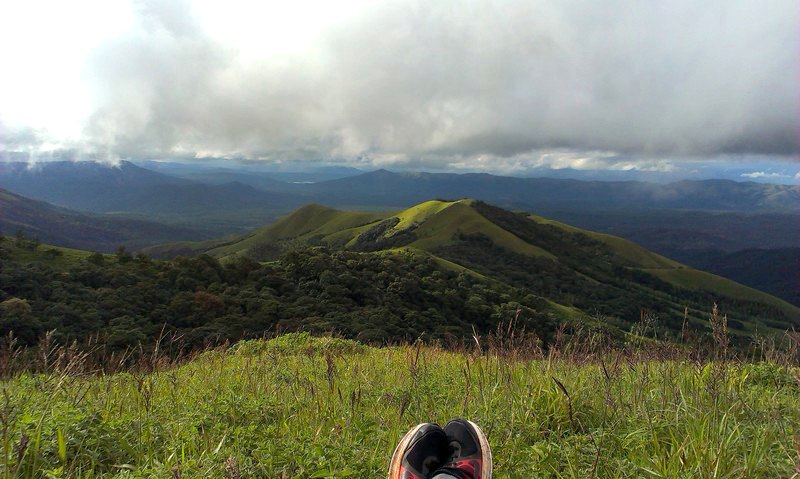

Prepare yourself for a monsoon trek in the Western Ghats

Trekking may sound challenging but monsoon treks are another kind of challenge in itself. Trekking in monsoon is one of the most beautiful and alluring experience. You get to encounter the lush green, scents of flowers, water droplets setting like diamonds on leaves. It seems as if the world is covered under a layer of green and your eyes are experiencing the vastness of nature. That boundless serenity of the greens, birds chirping and the streams flowing makes you forget all your stress and anxiety that you bought with yourself from the city. Monsoon trekking is thrilling but definitely a tough task to take up. It is getting more and more famous these days with an increased number of people taking up trekking to rejuvenate themselves. Here are certain tips that might help you next time when you are getting for a monsoon trek in the western ghats.

  1. The right pair of shoes: Shoes are an important part of your trek, especially if it is a monsoon because you need to maintain the grip in order to avoid slippery surfaces. Many people commit mistakes while choosing their footwear and end up buying footwear which is not suitable for monsoons. It is always suggested to wear shoes with good grip for beginners. In addition to proper grip, it is necessary for you to select shoes that let your skin breath to avoid moisture and dampness in your skin.

Note:  Some locals and trek guides easily wear flip flops and pull off the trek.

2. Carry your essentials: there are certain things that you should carry in order to help yourself in a monsoon trek.

Raincoat: It is not necessary that it is going to help you when it starts to rain heavily but something is always better than nothing.

Socks: you can wear double layered socks to avoid the leeches but prepare yourself to encounter leeches because there is nothing that you can do to avoid them.

Waterproof tent and bag: If you do not want to sleep in a tent drenched in water it is always a good idea to carry a waterproof tent. Having a waterproof bag will save your clothes and other essentials from being wet during the journey. But travelling with Get Beyond Limits team you do not need to worry about that because we provide good quality tents and sleeping bags.

3. Clothes: Be it summers or monsoon it is always better to wear light clothes. Heavy clothes will soak in water and take longer to dry as compared to lighter clothes. On a monsoon trek, cotton clothes should be avoided. Most people will prefer wearing shorts and t-shirts but in a monsoon trek, you should always consider wearing a full sleeves t-shirt that pant to avoid stings, thorns, sunburn, and mosquito bites.

4. Collection of firewood: Most of the treks in the Western Ghats camping is not allowed, you have to go to the top and come back the same day. But if you ever get the permission to camp you have to make sure to collect dry wood beforehand. Because of the rain, most of the wood will be moist and it becomes a serious problem to start the fire and cook. But trekking with Get Beyond Limits team you don’t need to worry about food because we serve hot and nutritious meals to satiate your hunger.

5. Food and water: Carrying enough water is a must. Due to the weather conditions, there will be an increased amount of humidity which will make you sweat more and result in water loss from your body. Carrying your own food like cucumber and watermelon that have water content is a better option.

Monsoon treks are fun but also demanding. These treks are the real test of your patience. Beyond all these preparation you need to mentally prepare yourself. Having a positive attitude is necessary and if you are prepared to drench yourself in water and still enjoy, you’ll probably have a great time. There is no avoiding from being wet. You should be adventurous enough to take up the weather and nature will show you the best of what it has preserved.  

For more queries visit http://www.getbeyondlimits.com

Compiled by Sheetal Makar (sheetalmakar30@gmail.com)

Differences Between Monsoon And Summer Treks

Monsoon treks are wet, lush green and splashy, while summer treks are more about sunshine on your face and sweat dripping down your back. But is this the only difference between a monsoon trek and a summer trek? To find out, you need to experience these seasonal treks to understand better. While some like the rain and some like the feel of the harsh sun right above their heads. Seasonal treks are all about your personal preferences. However, if you’re looking for the differences between these two seasonal treks, here are a few.

Seasonality

Monsoon treks are organised in the rainy season between the months of June to September, whereas summer treks are organised between the months of March to May. However, July and August have the heaviest rains in the western ghats and if you’re a rain-lover, this is the ideal time for you to take up trekking. If you’re a first-time trekker, you’d want to go trekking in the later monsoon months, so that the rain is not too harsh and your first-time trek experience is amazing.

Difficulty Level

Both the seasonal treks are equal on the difficulty scale. However, during monsoon treks, the rains are so heavy that even the walking trails have water flowing in them. And every stream that you will cross will have waist-deep water. The trails are very slippery and after it stops raining, there are leeches ready to suck your blood. If you like challenges, a monsoon trek is the perfect type of trek for you. Summer treks have no leeches, but if you don’t keep yourself hydrated during these types of treks, you will face the sun’s wrath. Trekking is a rigorous physical activity that involves a lot of sweating already. Hence, summer treks will churn out every ounce of energy inside you. The trails are dry and the streams you encounter will be very less on water content.

Clothing

It is generally advised by experienced trekkers to wear light clothing on both the treks because, even if it is monsoon, due to so much walking, your body will be sweating profusely anyway. However, raincoats are a must during monsoon treks. In terms of footwear, we’d advise you to wear waterproof or water-resistant shoes. Rain boots that reach up to your calves can also be worn to avoid leech attacks. During summer treks, clothes made of cotton, linen or breathable material is preferred. This will ensure air circulation and help your skin to breathe. Any comfortable shoes can be worn in this season’s treks, but do ensure that your footwear has good grip. Caps or hats are very important when it comes to summer treks as the sun shines harshly above your head.

Other Essentials To Carry

Basic trekking gear and necessities are a must for both the seasonal treks, but when it comes to monsoon treks, you must pack a few mosquito repellents and leech repellents. Even though cream-based repellents can be easily washed away by the rain, it is usually advised that you carry them. Salt and deodorants will help you keep the leeches away. Similarly, summer treks can also use mosquito repellants, but leeches aren’t a problem at this part of the year. Sunscreens are a must here as the sun’s rays can be harmful to your skin. Any sunscreen with SPF 30 or above is advisable.

Food Requirements

Food is an essential amenity at all times, especially when you are outdoors and are engaged in a physically exhausting activity like trekking. You need to eat less, but more often so that your body has enough energy to push through. During monsoon treks, cooking out in the campfires is difficult. Ensure that you collect enough dry wood at the outset, but even after that, cooking under the rain is not possible. Carry your meals in tiffin boxes and spare the effort of cooking on treks. In summer treks, cooking under the sky is not difficult, but it is often seen that the quest to stay hydrated often tend to fill your stomach with fluids and kill your appetite. Hence, eating well is kind of a challenge for both.

To make choice making easier for you, here are the top 5 monsoon and summer treks that Get Beyond Limits has to offer. You can check out our website for more details on these beautiful treks-

Monsoon Treks

  1. Kudremukh Trek
  2. Tadiandamol Coorg Trek
  3. Kodachadri Trek
  4. Nishani Motte Trek
  5. Galibeedu Peak Coorg Trek

          Summer Treks

  1. Gokarna Beach Trek
  2. Kodachadri Trek
  3. Nilgiris Waterfalls Trek
  4. Hampi Bouldering and Heritage Trek
  5. Chikmagalur Trek

As this monsoon season graces us with its presence, let’s make the most of it. Let’s trek under the rain and embrace nature in its most beautiful form. They say raindrops are like diamonds falling from the sky, so let’s soak in them and make memories that will last a lifetime. If you’re a person who loves the feel of raindrops against their skin, what are you waiting for? Book a monsoon trek with us now!

Compiled by: Shrija Bhattacharya

shrija.b9@gmail.com

If you wish to go on a trek anytime soon, let us take you with us. To book your slot visit www.getbeyondlimits.com

For any further details contact us via email – connect@getbeyondlimits.com