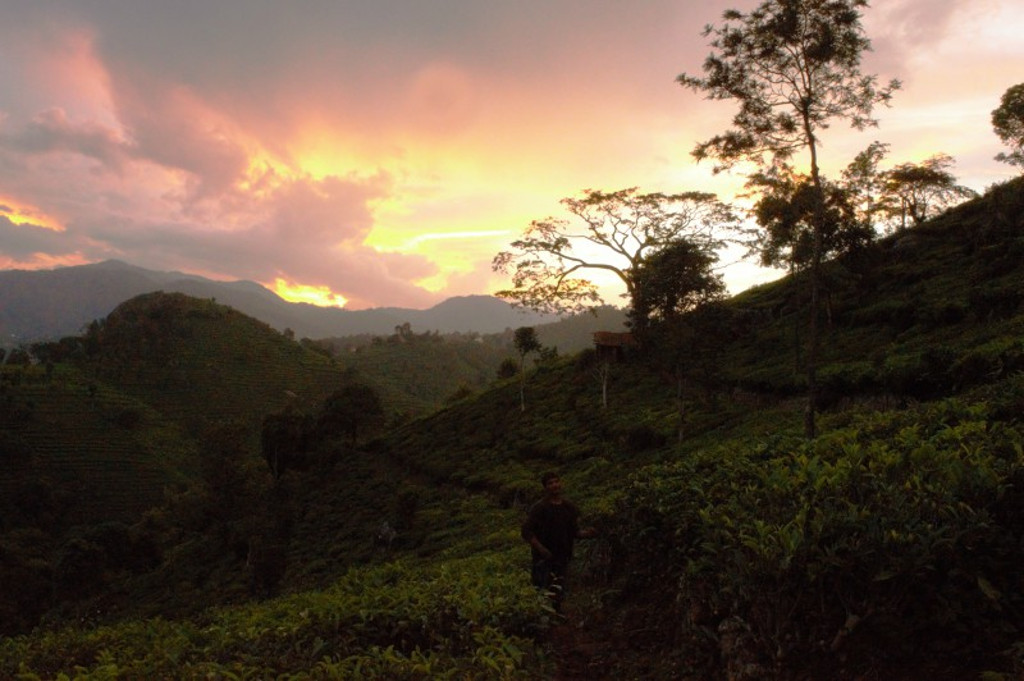
WHAT TO EXPECT FROM A WEEKEND TREK IN THE WESTERN GHATS

Apart from the mountain ranges in the North, western India Ghats of Sahyadri range also has a plethora of treks to choose from! Mostly all of them are weekend treks, and the reason for their popularity, is they can be done throughout the year, except at the time when the mountains are too moist during the heavy monsoons. Here is what to expect from a trek in the Western Ghats.

1.A good getaway: A weekend trek is always a good getaway for people especially those who seek adventure. Every day it seems as if they are on some kind of mission, trying to earn money, pacifying their crying babies, attending calls once they get home. All this eventually leads to stress. So weekends are the only days, which they get for themselves, and treks act as a stress buster too. Nature has the magical capacity of keeping your tensions at bay, and insinuating positivity in people!
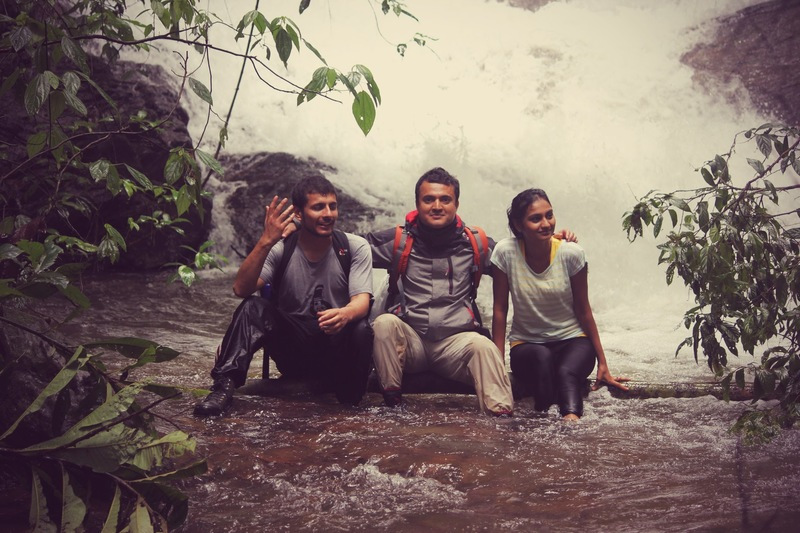
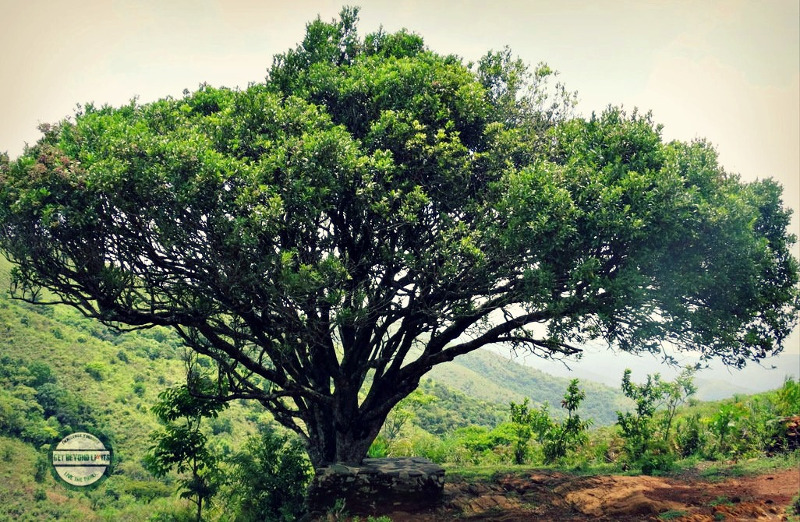
2. Variety of Flora: Total 28 types of plants grow in the Western Ghats. The climate and the altitude has resulted in a variety of vegetation types. The shola forests and grasslands in the Nilgiris are major attractions for trekking. Beautiful and rare flowers which are mostly native or indigenous to western ghats are a visual treat. Lilies,  orchids, palms are some of the types of flowering plants in the region.
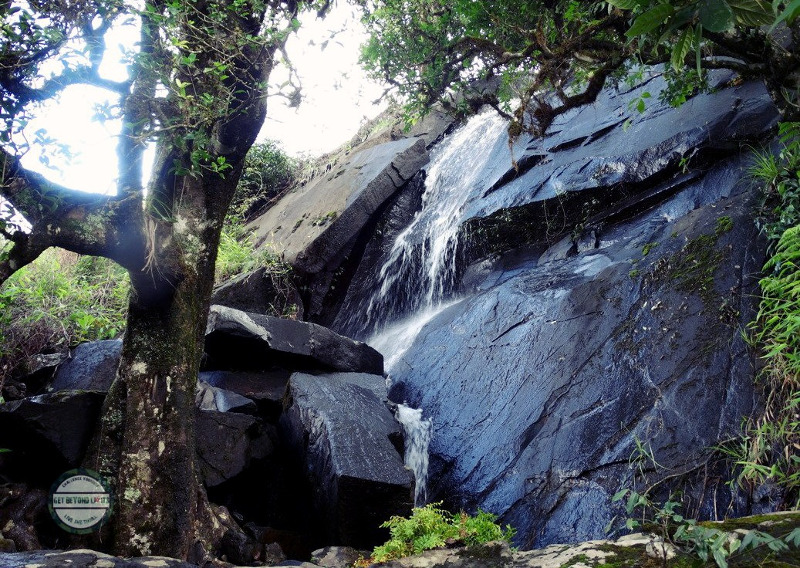
3. Waterfalls: The majestic mountain ranges of Western Ghats form one of the four watersheds and feed the perennial rivers of India. The kudremukh trek, is one of the best options if you want to visit any rainfalls. Likewise, the Nilgiris waterfalls is a beautiful sight which you will cherish for the rest of your life!                                                           
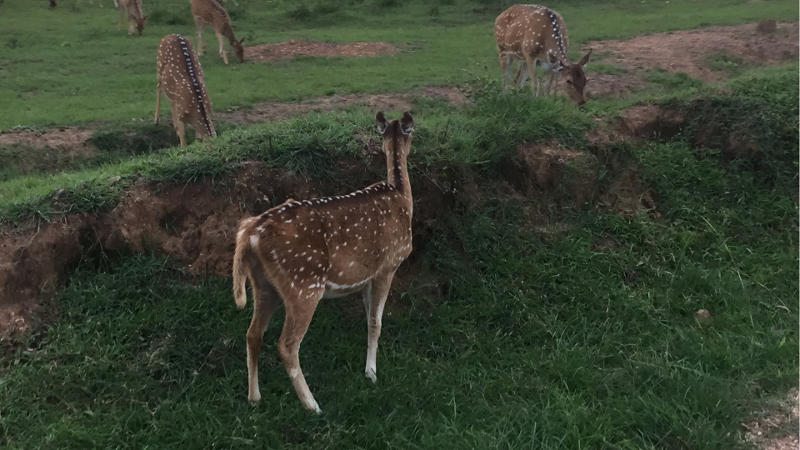
4. Biological hotspot of wildlife: Western Ghats also known as the Great Escarpment of India is home to a wide range of wild animal and bird species. It includes a majority of endangered species in India. They are Royal Bengal tiger, purple frogs, Indian bisons etc. Spotting these animals can be very exciting, but one should always remain responsible for their own lives and not do anything harmful to themselves as well as the animals.
5. A huge range: The range crosses from Maharashtra, Gujarat, Goa, Karnataka, Kerala and Tamil Nadu. If you are residing in or visiting any of these places, then you can embark on Western Ghats trekking to combine leisure and adventure. Coorg has a picturesque set of peaks, lush green forests, dense meadows and small streams. Even the Kudremukh trek, is a huge range which is surrounded by amazing views of clouds is very intriguing!                           
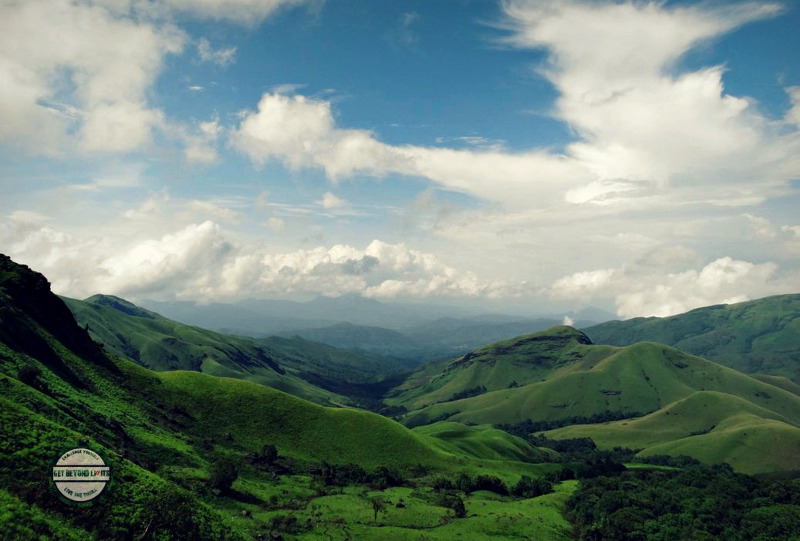
6. The National Parks and Wildlife sanctuaries: There are 13 National parks situated in the Western Ghats along with two biosphere reserves, several wildlife sanctuaries and many Reserve Forests. Kudremukh reserve is one such wildlife sanctuary where you’ll find many endangered species. It is the second largest sanctuary in the Western Ghats. The Bandipur Tiger reserve in the Nilgiris is an interesting way of ending a trek.It’s home to tigers, sloth bears, hyenas, golden jackals etc.
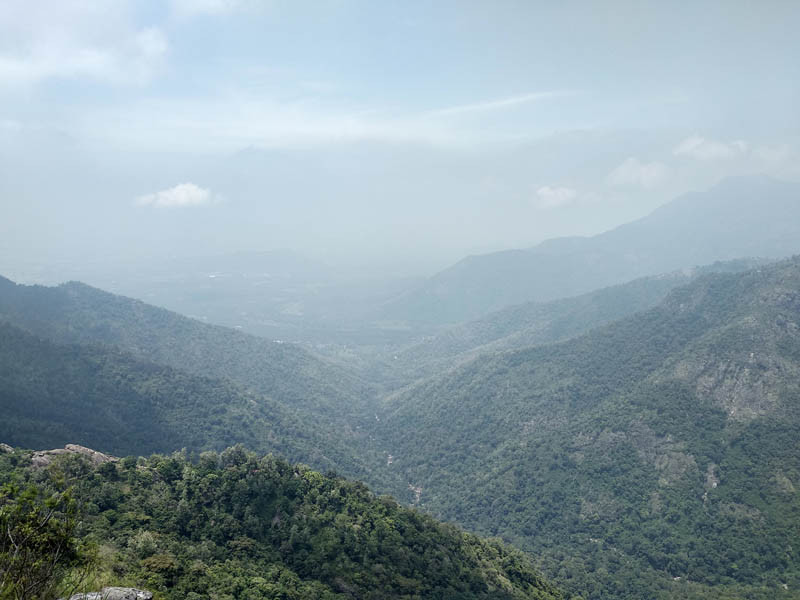
  If you want to go for a quick getaway, Western Ghats region is an ideal place for adventure, a variety of flora and fauna, National parks etc. If you are a beginner, you have plenty of trek options to choose from. Your weekend will be happening, healthy and full of enthusiasm!

Compiled by: Pratusha Asawalikar

(pratushaasawalikar@gmail.com)


Differences Between Monsoon And Summer Treks

Monsoon treks are wet, lush green and splashy, while summer treks are more about sunshine on your face and sweat dripping down your back. But is this the only difference between a monsoon trek and a summer trek? To find out, you need to experience these seasonal treks to understand better. While some like the rain and some like the feel of the harsh sun right above their heads. Seasonal treks are all about your personal preferences. However, if you’re looking for the differences between these two seasonal treks, here are a few.

Seasonality

Monsoon treks are organised in the rainy season between the months of June to September, whereas summer treks are organised between the months of March to May. However, July and August have the heaviest rains in the western ghats and if you’re a rain-lover, this is the ideal time for you to take up trekking. If you’re a first-time trekker, you’d want to go trekking in the later monsoon months, so that the rain is not too harsh and your first-time trek experience is amazing.

Difficulty Level

Both the seasonal treks are equal on the difficulty scale. However, during monsoon treks, the rains are so heavy that even the walking trails have water flowing in them. And every stream that you will cross will have waist-deep water. The trails are very slippery and after it stops raining, there are leeches ready to suck your blood. If you like challenges, a monsoon trek is the perfect type of trek for you. Summer treks have no leeches, but if you don’t keep yourself hydrated during these types of treks, you will face the sun’s wrath. Trekking is a rigorous physical activity that involves a lot of sweating already. Hence, summer treks will churn out every ounce of energy inside you. The trails are dry and the streams you encounter will be very less on water content.

Clothing

It is generally advised by experienced trekkers to wear light clothing on both the treks because, even if it is monsoon, due to so much walking, your body will be sweating profusely anyway. However, raincoats are a must during monsoon treks. In terms of footwear, we’d advise you to wear waterproof or water-resistant shoes. Rain boots that reach up to your calves can also be worn to avoid leech attacks. During summer treks, clothes made of cotton, linen or breathable material is preferred. This will ensure air circulation and help your skin to breathe. Any comfortable shoes can be worn in this season’s treks, but do ensure that your footwear has good grip. Caps or hats are very important when it comes to summer treks as the sun shines harshly above your head.

Other Essentials To Carry

Basic trekking gear and necessities are a must for both the seasonal treks, but when it comes to monsoon treks, you must pack a few mosquito repellents and leech repellents. Even though cream-based repellents can be easily washed away by the rain, it is usually advised that you carry them. Salt and deodorants will help you keep the leeches away. Similarly, summer treks can also use mosquito repellants, but leeches aren’t a problem at this part of the year. Sunscreens are a must here as the sun’s rays can be harmful to your skin. Any sunscreen with SPF 30 or above is advisable.

Food Requirements

Food is an essential amenity at all times, especially when you are outdoors and are engaged in a physically exhausting activity like trekking. You need to eat less, but more often so that your body has enough energy to push through. During monsoon treks, cooking out in the campfires is difficult. Ensure that you collect enough dry wood at the outset, but even after that, cooking under the rain is not possible. Carry your meals in tiffin boxes and spare the effort of cooking on treks. In summer treks, cooking under the sky is not difficult, but it is often seen that the quest to stay hydrated often tend to fill your stomach with fluids and kill your appetite. Hence, eating well is kind of a challenge for both.

To make choice making easier for you, here are the top 5 monsoon and summer treks that Get Beyond Limits has to offer. You can check out our website for more details on these beautiful treks-

Monsoon Treks

  1. Kudremukh Trek
  2. Tadiandamol Coorg Trek
  3. Kodachadri Trek
  4. Nishani Motte Trek
  5. Galibeedu Peak Coorg Trek

          Summer Treks

  1. Gokarna Beach Trek
  2. Kodachadri Trek
  3. Nilgiris Waterfalls Trek
  4. Hampi Bouldering and Heritage Trek
  5. Chikmagalur Trek

As this monsoon season graces us with its presence, let’s make the most of it. Let’s trek under the rain and embrace nature in its most beautiful form. They say raindrops are like diamonds falling from the sky, so let’s soak in them and make memories that will last a lifetime. If you’re a person who loves the feel of raindrops against their skin, what are you waiting for? Book a monsoon trek with us now!

Compiled by: Shrija Bhattacharya

shrija.b9@gmail.com

If you wish to go on a trek anytime soon, let us take you with us. To book your slot visit www.getbeyondlimits.com

For any further details contact us via email – connect@getbeyondlimits.com

Camping Or Trekking? How To Decide On A Weekend Getaway

Camping and trekking are both really fun activities to engage in if you’re an outdoorsy person. While camping is more about relaxing and getting to know nature in a more personal way, trekking is more rigorous and challenging. Both are fun, but it really depends from one person to another. And if you’re unsure as to which one to choose as your getaway from all the mundane things in life this weekend, here are a few differences, pros and cons of both camping and trekking to help you decide.

Itinerary

Camping ensures that you spend more time in your campsite while trekking is about walking miles and miles into the wilderness and explore the hidden gifts of nature. Hence the itinerary of both these outdoor activities differ greatly. Firstly, a camping itinerary might contain things that are more technical like, learning tent pitching, short hikes to see the sunset, etc. whereas a trekking itinerary might cater more to walking and less learning. To understand this better, here are the two short itineraries of Kudremukh Trek and Phunsukh Wangdu Isolated Camp that Get Beyond Limits offers –

Kudremukh Trek (short itinerary)

Day 0 – Pick up from Bangalore

Day 1 – Overnight journey till Balegal – 6 kms off-road jeep ride – Trek from Mullodi – Kudremukh Peak – Reach Base Camp – Campfire (if permitted by situations)

Day 2 – Base Camp – Somavati River – Walk/Jeep ride next to coffee farms – Bangalore

Phunsukh Wangdu Isolated Camp (short itinerary)

Day 1 – Leave Bangalore at 12pm – Introduction sessions – Self-sponsored lunch on the way – Reach campsite – Know Your Surroundings session – Tent pitching/Campsite setting up session – Hike to sunset – Campfire – Dinner next to the campfire – Story-sharing at campfire by everyone – Stargazing

Day 2 – Wake up for sunrise – Hike to Slide Hill – Breakfast – Depart for Bangalore – Reach Bangalore

Season

Trekking can be done in winter, monsoon and summer alike, but camping has its own problems in some seasons. For example, it is really difficult to enjoy camping in the monsoon season. The soil is damp and tent pitching becomes a problem, similarly, continuous rains can hinder a good campfire experience. If stargazing is something you want to experience while on a camp, it is very difficult to do so in the rainy season. Even trek destinations are based on seasonality. While some places are great for conducting monsoon treks, others are great for summer treks. Hence when it comes to outdoor activities like camping and trekking, seasonality plays a very important role.

Size of Groups

Even though solo treks are enjoyable, camping solo has no fun in it. While solo treks can help you escape the bustling city life and find your true self, camping solo will only make you feel more lonely. The highlight of a campsite is its campfire, now where is the fun in a campfire when there is no one around you to share stories and unwind. Plus, pitching a tent is also more fun when you have people who help you out.

Learning Curve

Learning new skills and experiences are the main attraction of both camping and trekking. However, camping has a higher learning curve as compared to trekking. Going out camping can teach you many things. For example, tent pitching sessions, campsite setting up sessions,etc. can teach you the technical aspects of a campsite building. Also, story-sharing sessions during campfires are a great means to share each other’s experiences and understand life better. It is often seen that campfires are places of great discussions and brainstorming. Trekking can teach you about nature and the environment around you. It will make you realise the importance of conserving nature and why city life is not that comfortable after all.

Preference

Like I mentioned earlier, your preference matters the most in this decision-making dilemma that you face. If you’re the kind of outdoorsy person that loves to just sit back, relax and indulge in great conversation with great minds amongst nature, camping might be your scene. But if you are into physically challenging activities that require lots of walking and exploring, trekking is the right choice. Hence it’s your call.

Camping or Trekking? The answer is deep within your heart. Understand what goes on in each of these activities and decide where your heart lies. Once that is sorted out, you will know exactly what to choose. So tell me, are you a camping person or a trekking person?

Compiled by: Shrija Bhattacharya

shrija.b9@gmail.com

If you wish to go on a trek or a camp anytime soon, let us take you with us. To book your slot visit www.getbeyondlimits.com

For any further details contact us via email – connect@getbeyondlimits.com