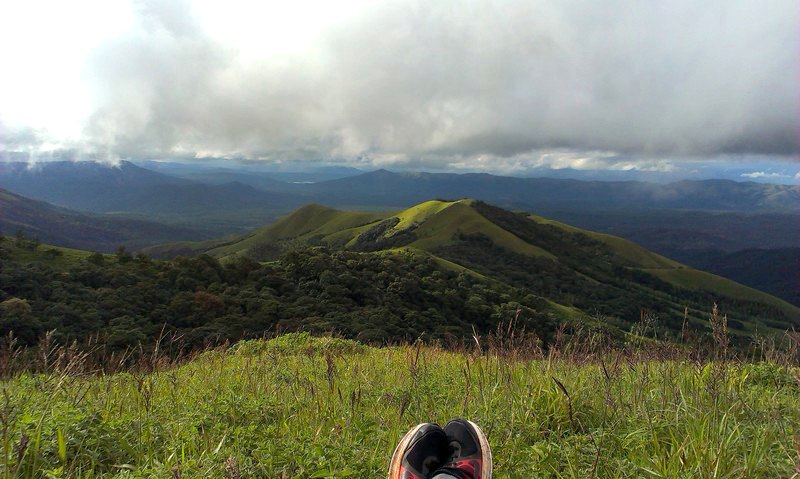
Prepare yourself for a monsoon trek in the Western Ghats

Trekking may sound challenging but monsoon treks are another kind of challenge in itself. Trekking in monsoon is one of the most beautiful and alluring experience. You get to encounter the lush green, scents of flowers, water droplets setting like diamonds on leaves. It seems as if the world is covered under a layer of green and your eyes are experiencing the vastness of nature. That boundless serenity of the greens, birds chirping and the streams flowing makes you forget all your stress and anxiety that you bought with yourself from the city. Monsoon trekking is thrilling but definitely a tough task to take up. It is getting more and more famous these days with an increased number of people taking up trekking to rejuvenate themselves. Here are certain tips that might help you next time when you are getting for a monsoon trek in the western ghats.

  1. The right pair of shoes: Shoes are an important part of your trek, especially if it is a monsoon because you need to maintain the grip in order to avoid slippery surfaces. Many people commit mistakes while choosing their footwear and end up buying footwear which is not suitable for monsoons. It is always suggested to wear shoes with good grip for beginners. In addition to proper grip, it is necessary for you to select shoes that let your skin breath to avoid moisture and dampness in your skin.

Note:  Some locals and trek guides easily wear flip flops and pull off the trek.

2. Carry your essentials: there are certain things that you should carry in order to help yourself in a monsoon trek.

Raincoat: It is not necessary that it is going to help you when it starts to rain heavily but something is always better than nothing.

Socks: you can wear double layered socks to avoid the leeches but prepare yourself to encounter leeches because there is nothing that you can do to avoid them.

Waterproof tent and bag: If you do not want to sleep in a tent drenched in water it is always a good idea to carry a waterproof tent. Having a waterproof bag will save your clothes and other essentials from being wet during the journey. But travelling with Get Beyond Limits team you do not need to worry about that because we provide good quality tents and sleeping bags.

3. Clothes: Be it summers or monsoon it is always better to wear light clothes. Heavy clothes will soak in water and take longer to dry as compared to lighter clothes. On a monsoon trek, cotton clothes should be avoided. Most people will prefer wearing shorts and t-shirts but in a monsoon trek, you should always consider wearing a full sleeves t-shirt that pant to avoid stings, thorns, sunburn, and mosquito bites.

4. Collection of firewood: Most of the treks in the Western Ghats camping is not allowed, you have to go to the top and come back the same day. But if you ever get the permission to camp you have to make sure to collect dry wood beforehand. Because of the rain, most of the wood will be moist and it becomes a serious problem to start the fire and cook. But trekking with Get Beyond Limits team you don’t need to worry about food because we serve hot and nutritious meals to satiate your hunger.

5. Food and water: Carrying enough water is a must. Due to the weather conditions, there will be an increased amount of humidity which will make you sweat more and result in water loss from your body. Carrying your own food like cucumber and watermelon that have water content is a better option.

Monsoon treks are fun but also demanding. These treks are the real test of your patience. Beyond all these preparation you need to mentally prepare yourself. Having a positive attitude is necessary and if you are prepared to drench yourself in water and still enjoy, you’ll probably have a great time. There is no avoiding from being wet. You should be adventurous enough to take up the weather and nature will show you the best of what it has preserved.  

For more queries visit http://www.getbeyondlimits.com

Compiled by Sheetal Makar (sheetalmakar30@gmail.com)

Benefits of outdoor activities for corporates

Every organization has a group of people working together towards a common goal. In order to achieve this common goal, you need teamwork, trust, confidence, dedication, leadership qualities, stress management and much more. But sometimes your work life can get too hectic for you to function efficiently. This is where outdoor activities help you rejuvenate yourself and makes you understand your colleagues better. It creates a sense of belongingness amongst you and you work as a team with everyone. They need to develop a certain mindset in order to bring 100% efficiency in their work. Performing group activities hand tailored by the Get Beyond Limits team will allow people to learn and lead differently.
1) Improved team motivation: Group activities improve the overall motivation of the group. When they work together and complete a certain challenge it motivates them. Having similar goals in mind drives as a motivating factor to complete tasks with efficiency. Also, the fact that their company let them take part in such outdoor activities gives a sense of belongingness and appreciation towards the company. This also improves their trust in one another and increase the level of comfortability that they have with the other person. While trekking there are a lot of team activities such as tent pitching, cooking food, collecting woods for campfire or filling water from a stream that makes people work together and boosts team motivation.

2) Developing problem-solving skills: Being outdoor you might find a lot of situations that challenge your problem-solving skills. Such activities promote critical thinking and analysis. When groups encounter any problem they work together as a team to solve it which can be very helpful in their corporate life as well. Such activities enable them to keep aside their personal grudges and work together as a team to solve issues.

3) Increased level of creativity: Outdoor traveling opens up your mind and enhances your thinking ability. You are completely away from the stressful environment and deadlines of your office which gives room to your creativity to grow. You have limited resources while on a trek which enables you to think and boost your creativity.

4)  Create new bonds: Coming out from your incandescent bulb lights can actually help you see your co-workers in a better way. You will understand that they are not just machines but more than that they are interesting individuals. You might come to know a lot of things about them that their cubicles could never explain. It helps to bridge the professional and personal gap between people.

5) Stress management: Trekking is one of the best ways to relieve your office stress and rejuvenate yourself. On the trek, there are naturally calming surrounding. You can enjoy the serenity while listening to nature’s sounds. With the benefit of technology, you can also calm yourself by listening to podcasts and audiobooks. You have the freedom to think and relax freely while thinking about the things that matter to you.

At the end of your trek you will see the changes in people. Their overall performance will be drastically improved, communication will take place easily, opinions will be less judged and the whole process will become relatively smoother. An outdoor trek activity will not only rejuvenate you and your team it will also help you guys in working efficiently in your work space later.

For more queries visit http://www.getbeyondlimits.com

Compiled by Sheetal Makar (sheetalmakar30@gmail.com)

4 things that camping will teach you

Camping is a great way to take a break from your normal routine and have fresh air somewhere in the mountains. It helps you respect nature more and tells you that nature was never meant to be scary. You will have life-changing experiences and realise that there are more important things in camping than just campfire and marshmallows. With the technology at our disposal today, we have forgotten how to live with minimalistic opportunities. But if you want to know what life is all about then camping is a must.  
1)The urge to unplug: Working life has made us slaves of the technology. Every morning the first thing we see is our mails. But imagine getting up with the sunrise or amidst the mountains. We as humans are adaptable creatures but we are not made to just simply sit all day. When we detach ourselves from the digital worlds is when we get back to the basics of life- fire, starlights, rivers, trees, mountains. If you want to have a great time while camping makes sure you have less screen time.

2)Strengthens bonds: Camping alone in an isolated area away from the technology will help you understand people better. The world is reduced to the number of people you travel with and everyone becomes a team. Suddenly the number of people you are in contact with becomes small and you realise who really matters. You will realise how small you are in front of the vastness of nature.

3) Less is more: All you need is survival in the forest which is food, clothes, and shelter. It makes us realise that our material possessions don’t really matter. Beginner campers generally overload themselves with gadgets and gears but slowly you will realise the importance of ‘less is more.’ While camping having a minimalistic approach is necessary in order to spend some alone time away from civilization.

4) Falling asleep with nature: You will learn to sleep with the cacophony of insects, the rustling of the leaves and sound of the river. Falling asleep with the sound of nature is completely different from falling asleep in your bedroom. Spending time away from the artificial sources of illumination will help you revert back to your natural cycles of light. You will wake up with the sun and feel tired when the stars show up.

Camping does help you relieve your stress from your daily routine. But more than that it helps you relive the basics of life and make you understand the importance of having a minimalistic approach in each step of your life. At first, it may sound like a very challenging and demanding task, but you may want to experience life once without the protective shell which is a good thing. The point here is not to suffer, but to understand that life can be lived even after giving up the luxuries of your soft foam bed.

For more queries visit http://www.getbeyondlimits.com

Compiled by Sheetal Makar (sheetalmakar30@gmail.com)


Tips to sleep well on a trek

It is very important to have a good night’s sleep at night during a trek. While sleeping your body repairs your muscles and tissues and also helps you to gain energy for the the next day. Having interrupted sleeping patterns can affect your ability to make clear decisions that might be fatal for you. Mostly trekkers face problems in sleeping on higher altitudes. It is because of the lack of oxygen that causes disturbances in the sleeping patterns. Here are certain tips that might help you with sleeping properly at night.

  1. Never sleep empty stomach: Your body heat warms up the sleeping bag and food gives us the energy to keep our body warm. Include food rich in fats and carbohydrates that will help to keep your body warm. Nuts, energy bars, and dairy products are always a good option. You can also carry soup, hot chocolate or any other hot drink in a thermos to sip on when you feel cold.

2. A hot water bottle inside your sleeping bag: Keeping a water bottle filled with hot water can help in warming the sleeping bag. Your sleeping bag will take time to warm up slowly from your body heat, keeping the hot water bottle you can heat it a little faster. Also, this hack comes handy if you are trekking in cold temperatures.

3. Do not postpone urinating: An empty bladder will definitely give you a good night sleep. So always take that nature’s call. Try to urinate half an hour before sleeping and right before sleeping. Avoid having too much of liquid right before going to sleep this might increase your chances of urinating midnight.

4. Cover your body: Most of our body heat is lost through fingers, toes, head, etc so it is important to wear a hat, gloves, and socks to avoid the loss of heat from our body. If in cold temperature wear layers of clothes before going to sleep. You can keep your next day’s clothes inside you’re sleeping bag towards your feet it will keep your feet warm.

5. Clear the spot: Before setting up your tent make sure that you have cleared the way and there are no stones and sticks that might hurt you while sleeping. Always try to find flat level ground but sometimes it gets difficult to find it. In that case, you can sleep on a little incline ground but make sure that your head is on the upper part to avoid blood rushing.

Sleeping is something you should be taking due care of while on a trek. These few tips come handy and help you enhance your sleeping experience. On your next trek do not forget your essentials to have a good night sleep.
For more queries visit http://www.getbeyondlimits.com

Compiled by Sheetal Makar (sheetalmakar30@gmail.com)

Top 8 Trekking Foods and Meals

We all love food, but eating while on a trek is a little trickier than it seems. While trekking, we need to keep in mind our stamina and how much we can carry without any spoilage or spillage. It isn’t just about the fact that you have to eat so that you stay active and energetic throughout the trek, but it is also about the fact that you enjoy what you eat. Food is not just food, but an emotion to many. So why compromise on taste when you are trekking? Don’t you worry, here are the top 8 foods and meals that you can carry while on a trek and still enjoy eating them.

  1. Instant Oatmeal

              Be it Quaker Oats or Saffola Oats, Indian market has quite a few of these magic foods. They are not only healthy and easy to carry in your backpack, but cooking them is hassle-free and quick. And if you are worried about the taste, don’t be! From Chinese flavored oats to Indian masaledar oats, there is a wide range of tasty flavors to choose from. Oatmeal is packed with B vitamins and manganese and are a great source of carbs. Try choosing the right oatmeal by reading the ingredients. Avoid the ones that contain added sugar as they are unhealthy for trekking or any activity that requires one to have high stamina.

2. Powdered Milk

            Dairy products are a big no for trekkers and backpackers. Dairy products usually need refrigeration and can get spoiled very easily. But powdered milk contains almost the same amount of nutrients that fresh milk might contain. Like fresh milk, powdered milk is a great source of protein, calcium and potassium. As Indians, we love our chai and powdered milk is a bonus if you want to drink chai on the go. Carrying them in your backpacks is easy as they are powdered and hence, dry. Remember your childhood when your mom used to tell you how healthy drinking milk is? Well, a trekker can apply that while trekking too with this product.


           3. Dried Fruits

Fresh fruits are juicy and yummy, but on treks, they are perishable and sticky. Dried fruits are healthy and can be stored for a long time. Dried fruits are rich in nutrients like fiber, vitamins, minerals, antioxidants and carbs. Especially raisins are said to contain resveratrol that is very good for heart health. Dried fruits are a great snack option for trekkers who are needed to eat less, but often. These can also be sprinkled all over your bowl of oats so that your meal is not only yummy, but also pleasing to the eyes.

4. Protein Bars

                   Proteins are great for your muscles and take a long time to digest, hence keeping you full and off the pain of hunger. Protein bars have a long shelf-life and do not need refrigeration. Also, are you vegan? Then do not worry because there are a few companies that make vegan protein bars, just make sure you check the ingredients before purchasing. Like the name of the product suggests, these are high in protein and are made to please your palate.

5. Preserved Meats

              If you are a meat lover and eating vegetarian food makes you feel incomplete, you can opt for preserved meat. Salami and pepperoni are taste great and have good shelf-life. These meats are low in moisture and high in sodium content. But like any processed foods, they can be harmful to the health if eaten too often. Hence consume them in less numbers and you are good to go!

6. Poha (Flattened Rice)

                 Poha is one of the main breakfast dishes for us Indians. Some like it with spices and peanuts while some prefer it soaked in milk. For trekking, it is easy to soak poha in the powdered milk you mix with water. Avoid adding sugar because like I mentioned before, sugar might give you instant energy, but it is not healthy while on treks as it can slow you down.

7. Sprouts

                Sprouts like green grams, horse grams, etc. are again a great choice of snacks while hiking or backpacking. Even as children we were forced to eat sprouts by our parents for its nutritional value. They are rich in nutrients like vitamins, C, A and K, protein, fiber and many more. They just require overnight soaking and can be eaten with a pinch of salt or even just like that.  

8. Nuts and Seeds

               If you are not allergic to nuts or seeds, this is a snack option you can count on. Just like dried fruits, they are moisture-free and have a long shelf-life. They are said to be high in calories even though they are tiny and this just tells us how great they are as a trekking snack! Almonds, cashews, sunflower seeds and pumpkin seeds are some examples of nuts and seeds you can carry while trekking.

                 The length or the duration of your trek should not matter, healthy, durable and portable food and meals are a must when you are a trekker. Life is short and making memories is a must. As a trekker, you are exploring nature and making some beautiful memories. Eat healthy and stay fit and do what you love doing – Trek!

Compiled by: Shrija Bhattacharya

shrija.b9@gmail.com

If you wish to go on a trek or a camp anytime soon, let us take you with us. To book your slot visit www.getbeyondlimits.com

For any further details contact us via email – connect@getbeyondlimits.com

Differences Between Monsoon And Summer Treks

Monsoon treks are wet, lush green and splashy, while summer treks are more about sunshine on your face and sweat dripping down your back. But is this the only difference between a monsoon trek and a summer trek? To find out, you need to experience these seasonal treks to understand better. While some like the rain and some like the feel of the harsh sun right above their heads. Seasonal treks are all about your personal preferences. However, if you’re looking for the differences between these two seasonal treks, here are a few.

Seasonality

Monsoon treks are organised in the rainy season between the months of June to September, whereas summer treks are organised between the months of March to May. However, July and August have the heaviest rains in the western ghats and if you’re a rain-lover, this is the ideal time for you to take up trekking. If you’re a first-time trekker, you’d want to go trekking in the later monsoon months, so that the rain is not too harsh and your first-time trek experience is amazing.

Difficulty Level

Both the seasonal treks are equal on the difficulty scale. However, during monsoon treks, the rains are so heavy that even the walking trails have water flowing in them. And every stream that you will cross will have waist-deep water. The trails are very slippery and after it stops raining, there are leeches ready to suck your blood. If you like challenges, a monsoon trek is the perfect type of trek for you. Summer treks have no leeches, but if you don’t keep yourself hydrated during these types of treks, you will face the sun’s wrath. Trekking is a rigorous physical activity that involves a lot of sweating already. Hence, summer treks will churn out every ounce of energy inside you. The trails are dry and the streams you encounter will be very less on water content.

Clothing

It is generally advised by experienced trekkers to wear light clothing on both the treks because, even if it is monsoon, due to so much walking, your body will be sweating profusely anyway. However, raincoats are a must during monsoon treks. In terms of footwear, we’d advise you to wear waterproof or water-resistant shoes. Rain boots that reach up to your calves can also be worn to avoid leech attacks. During summer treks, clothes made of cotton, linen or breathable material is preferred. This will ensure air circulation and help your skin to breathe. Any comfortable shoes can be worn in this season’s treks, but do ensure that your footwear has good grip. Caps or hats are very important when it comes to summer treks as the sun shines harshly above your head.

Other Essentials To Carry

Basic trekking gear and necessities are a must for both the seasonal treks, but when it comes to monsoon treks, you must pack a few mosquito repellents and leech repellents. Even though cream-based repellents can be easily washed away by the rain, it is usually advised that you carry them. Salt and deodorants will help you keep the leeches away. Similarly, summer treks can also use mosquito repellants, but leeches aren’t a problem at this part of the year. Sunscreens are a must here as the sun’s rays can be harmful to your skin. Any sunscreen with SPF 30 or above is advisable.

Food Requirements

Food is an essential amenity at all times, especially when you are outdoors and are engaged in a physically exhausting activity like trekking. You need to eat less, but more often so that your body has enough energy to push through. During monsoon treks, cooking out in the campfires is difficult. Ensure that you collect enough dry wood at the outset, but even after that, cooking under the rain is not possible. Carry your meals in tiffin boxes and spare the effort of cooking on treks. In summer treks, cooking under the sky is not difficult, but it is often seen that the quest to stay hydrated often tend to fill your stomach with fluids and kill your appetite. Hence, eating well is kind of a challenge for both.

To make choice making easier for you, here are the top 5 monsoon and summer treks that Get Beyond Limits has to offer. You can check out our website for more details on these beautiful treks-

Monsoon Treks

  1. Kudremukh Trek
  2. Tadiandamol Coorg Trek
  3. Kodachadri Trek
  4. Nishani Motte Trek
  5. Galibeedu Peak Coorg Trek

          Summer Treks

  1. Gokarna Beach Trek
  2. Kodachadri Trek
  3. Nilgiris Waterfalls Trek
  4. Hampi Bouldering and Heritage Trek
  5. Chikmagalur Trek

As this monsoon season graces us with its presence, let’s make the most of it. Let’s trek under the rain and embrace nature in its most beautiful form. They say raindrops are like diamonds falling from the sky, so let’s soak in them and make memories that will last a lifetime. If you’re a person who loves the feel of raindrops against their skin, what are you waiting for? Book a monsoon trek with us now!

Compiled by: Shrija Bhattacharya

shrija.b9@gmail.com

If you wish to go on a trek anytime soon, let us take you with us. To book your slot visit www.getbeyondlimits.com

For any further details contact us via email – connect@getbeyondlimits.com

Camping Or Trekking? How To Decide On A Weekend Getaway

Camping and trekking are both really fun activities to engage in if you’re an outdoorsy person. While camping is more about relaxing and getting to know nature in a more personal way, trekking is more rigorous and challenging. Both are fun, but it really depends from one person to another. And if you’re unsure as to which one to choose as your getaway from all the mundane things in life this weekend, here are a few differences, pros and cons of both camping and trekking to help you decide.

Itinerary

Camping ensures that you spend more time in your campsite while trekking is about walking miles and miles into the wilderness and explore the hidden gifts of nature. Hence the itinerary of both these outdoor activities differ greatly. Firstly, a camping itinerary might contain things that are more technical like, learning tent pitching, short hikes to see the sunset, etc. whereas a trekking itinerary might cater more to walking and less learning. To understand this better, here are the two short itineraries of Kudremukh Trek and Phunsukh Wangdu Isolated Camp that Get Beyond Limits offers –

Kudremukh Trek (short itinerary)

Day 0 – Pick up from Bangalore

Day 1 – Overnight journey till Balegal – 6 kms off-road jeep ride – Trek from Mullodi – Kudremukh Peak – Reach Base Camp – Campfire (if permitted by situations)

Day 2 – Base Camp – Somavati River – Walk/Jeep ride next to coffee farms – Bangalore

Phunsukh Wangdu Isolated Camp (short itinerary)

Day 1 – Leave Bangalore at 12pm – Introduction sessions – Self-sponsored lunch on the way – Reach campsite – Know Your Surroundings session – Tent pitching/Campsite setting up session – Hike to sunset – Campfire – Dinner next to the campfire – Story-sharing at campfire by everyone – Stargazing

Day 2 – Wake up for sunrise – Hike to Slide Hill – Breakfast – Depart for Bangalore – Reach Bangalore

Season

Trekking can be done in winter, monsoon and summer alike, but camping has its own problems in some seasons. For example, it is really difficult to enjoy camping in the monsoon season. The soil is damp and tent pitching becomes a problem, similarly, continuous rains can hinder a good campfire experience. If stargazing is something you want to experience while on a camp, it is very difficult to do so in the rainy season. Even trek destinations are based on seasonality. While some places are great for conducting monsoon treks, others are great for summer treks. Hence when it comes to outdoor activities like camping and trekking, seasonality plays a very important role.

Size of Groups

Even though solo treks are enjoyable, camping solo has no fun in it. While solo treks can help you escape the bustling city life and find your true self, camping solo will only make you feel more lonely. The highlight of a campsite is its campfire, now where is the fun in a campfire when there is no one around you to share stories and unwind. Plus, pitching a tent is also more fun when you have people who help you out.

Learning Curve

Learning new skills and experiences are the main attraction of both camping and trekking. However, camping has a higher learning curve as compared to trekking. Going out camping can teach you many things. For example, tent pitching sessions, campsite setting up sessions,etc. can teach you the technical aspects of a campsite building. Also, story-sharing sessions during campfires are a great means to share each other’s experiences and understand life better. It is often seen that campfires are places of great discussions and brainstorming. Trekking can teach you about nature and the environment around you. It will make you realise the importance of conserving nature and why city life is not that comfortable after all.

Preference

Like I mentioned earlier, your preference matters the most in this decision-making dilemma that you face. If you’re the kind of outdoorsy person that loves to just sit back, relax and indulge in great conversation with great minds amongst nature, camping might be your scene. But if you are into physically challenging activities that require lots of walking and exploring, trekking is the right choice. Hence it’s your call.

Camping or Trekking? The answer is deep within your heart. Understand what goes on in each of these activities and decide where your heart lies. Once that is sorted out, you will know exactly what to choose. So tell me, are you a camping person or a trekking person?

Compiled by: Shrija Bhattacharya

shrija.b9@gmail.com

If you wish to go on a trek or a camp anytime soon, let us take you with us. To book your slot visit www.getbeyondlimits.com

For any further details contact us via email – connect@getbeyondlimits.com

Top 4 Spooky Stories That You Have To Share In Your Next Campfire

Campfires are the highlight of any camping experience. They help you socialize and create the mood by sharing stories that can chill your bones. Spooky stories have been a campfire tradition around the world since times immemorial. But the question is, are you a good storyteller? Or do you have great stories to share? Well, if the answer to these questions are no, here are the top 4 spooky stories that you have to share in your next campfire experience.

  1. Do Not Turn On The Light

Courtney and Ashley were roommates in college. The girls got along quite well and spent their free time together. One evening, the girls got ready and got out to head to a party.

As they got down the stairs, Ashley realized that she had forgotten her purse in the room. In a hurry, Ashley rushed into the room and without turning on the lights, she grabbed her purse and head to the party with Courtney. The night was fun and by the time it was 1am, Courtney felt sick and head back to the room, turned on the lights to change into her sleeping gown and went to bed. Ashley stayed back at the party as she had met a few of her college mates.

When Ashley got back to her room early in the morning, she saw the dead body of Courtney lying there lifeless with blood soaking her bed sheet. However, written on the wall above the bed were the words, “AREN’T YOU GLAD YOU DIDN’T TURN ON THE LIGHTS?”

    2. Be Careful What You Wish For

Sam was walking down a deserted street late at night, when he got pulled into an alley by an old man. Not wanting to be rude to an elderly person, Sam politely asked the man what he wanted. The old man smiled, “I want to grant you a wish.”

Sam laughed and wondered if he was talking to a lunatic. But he wanted to play along and have some fun at the end of it. So Sam controlled his laughter and seriously said, “I wish that you would leave me alone.”

The next day, police crowded the alley where Sam had been last night… alive. His dead body lay by the trash cans and a letter was tucked under his lifeless head. When a policeman named Josh opened the letter, it said, “IF YOU’D HAVE LEFT WITHOUT ASKING FOR ANYTHING, YOU’D BE ALIVE TODAY, BUT YOU WISHED TO BE ALONE! SO I LEFT YOU ALONE. YOU SHOULD’VE KNOWN TO BE CAREFUL WHAT YOU WISH FOR.”  

   3. There Is Someone Under The Bed

Brad begins tucking his young son into bed when he tells him, “Daddy, check for monsters under my bed.” Brad laughs and looks under the bed for his son’s amusement and sees him, another him, under the bed, quivering and whispering with tears in his eyes, “Daddy, there’s someone on my bed!”

   4. Puppy In The Basement

Mommy told Kit to never go to the basement, but he wanted to see what was making that noise. It kind of sounded like a puppy and Kit wanted to see the puppy. So he opened the basement door and tiptoed down a bit. But soon he was yanked out by his mommy who kept yelling at him. She never yelled at him and thus he was sad and he cried that night. The next day, mommy nicely advised Kit to never go to the basement again and even gave him a cookie! This made him feel better, so he didn’t ask her why there was a boy in the basement making puppy noises, or why he had no hands or feet.       

Scared yet? Now that you know the top 4 spooky stories that can scare anyone at the campfire, remember to add a pinch of drama while narrating them. A little voice modulation and facial expression can always add to the scare!

Compiled by: Shrija Bhattacharya

shrija.b9@gmail.com

If you wish to go on a trek anytime soon, let us take you with us. To book your slot visit www.getbeyondlimits.com

For any further details contact us via email – connect@getbeyondlimits.com

6 Famous Sherpas We Should All Know About

Sherpas are real life heroes. While western mountaineers are famed all across the world, we often tend to forget to credit these sherpas who have equal, or far too many achievements to their names as well. Sherpa translates into “The Eastern People” and this ethnic group is a big help to all the mountaineers from across the world who aspire to climb the Everest, or any other peak around Nepal. They are also called as the superhuman climbers of the world. But sadly, there are only a few Sherpas who are known to the masses today. We all know about Tenzing Norgay, but what about the others? So, here are 6 famous Sherpas we should all know about!

  1. Lakpa Sherpa

Born in 1973, Lakpa is the first Nepalese woman to climb and descent the Mt. Everest successfully. She has climbed the Everest 9 times, more than any other woman climber.

In the year 2000, Lakpa was made the leader of the expedition to the Everest which was sponsored by Asian Trekking. This was her first climb to the highest peak in the world. In 2010, she also attempted to reach the summit of Mt. K2, but was successful in reaching only till camp 3, after which she had to turn back due to bad weather.

Now, Lakpa is an American citizen and a public figure. Her interviews have featured in The Telegraph and many other leading media outlets.


2. Babu Chiri Sherpa

Born in 1965, Babu Chiri has reached the summit of the Everest 10 times! He also hold two world records to his name. First, he managed to stay on the summit of the Everest for 21 hours without auxiliary oxygen. Second, he is known to have made the fastest ascent to the summit of the Everest in 16 hours and 56 minutes only!

As a child, Babu Chiri grew up in the mountains and always loved them with all his heart. The legend of Tenzing Norgay was his inspiration to climb the Everest too. He began his career at the age of 16, as a mountain porter and the rest is history. He also went on some expeditions to Cho Oyu, the sixth highest mountain in the world.

However, Babu Chiri died in 2001 when he fell into a crevasse from camp 3 while taking some photographs during his 11th attempt to summit the mighty Everest. He still is remembered for his achievements and always will.


3. Pemba Gyalje Sherpa

He is a 46 year old mountaineer who is one of the most notable Sherpas of today. With an astonishing 127 ascents to various mountains of the world, he also trains aspiring mountaineers.

Being awarded various prestigious awards like, The Adventurer of the Year and The Heroism, he also featured in the documentary called, “The Summit” alongside some Swedish mountaineers. In this documentary, he was seen talking about his experience losing 11 fellow climbers to an avalanche while climbing K2.

Pemba Gyalje now lives in Kathmandu, Nepal with his family and continues to add feathers to his already crowded hat.


4. Phurba Tashi Sherpa

If you’re wondering what his achievements in the field of mountaineering are, he has climbed the summit of the Everest twenty-one times, Mt. Cho Oyu five times, Mt. Manaslu two times and Mt. Shishapangma and Mt. Lhotse one time each.

Since his unbelievable achievements, Phurba Tashi has featured in a Discovery Channel documentary series called “Everest: Beyond The Limit” and has also led many expeditions. He is a role model in the Sherpa community and continues to inspire those who dream of climbing the mighty mountains of the world.

Phurba Tashi (48-years-old) has now retired from mountaineering and lives in Khumjung, Nepal.


5. Ang Dorje Sherpa

Born in 1970, Ang Dorje is a Nepali mountaineer, trainer and porter, all packed into one. He has climbed the summit of the Everest 19 times and is a public figure whose achievements are phenomenal.

Ang Dorje also assisted Bachendri Pal, the first woman to reach the summit of Mt. Everest in 1984. This was his second ascent to the Everest. He has since climbed other peaks like Cho Oyu, Broad Peak and many others.

Ang Dorje now lives in the USA with his wife Michelle Gregory.


6. Kami Rita Sherpa

Born in 1970, he has under his name the world record for the most ascents to the summit of Mt. Everest. He climbed the summit of Everest for the twenty-fourth time in May 2019, breaking the previous record of twenty-two ascent, which was his own record that he had achieved in May 2018.

The fact that he was 49-years-old when he achieved the above mentioned world record, is commendable. Kami Rita started the climb from the Nepal side along with eight other Nepali climbers. Because of him achieving this feat, he is now well-known around the world!

Kami Rita presently works for the mountaineering firm, Alpine Ascents and lives in Nepal, his home country.

If you are an aspiring mountaineer and want to summit the peaks that the Himalayas has to offer, you must get to know about the Sherpa community. They are not only porters and great mountaineers, but people with inhuman mountain climbing abilities.

Compiled by: Shrija Bhattacharya

shrija.b9@gmail.com

If you wish to go on a trek anytime soon, let us take you with us. To book your slot visit www.getbeyondlimits.com

For any further details contact us via email – connect@getbeyondlimits.com

TOP 5 CHEAP AND BEST BRANDS FOR TREKKING GEAR

If there is one thing that every trekker should have, it is good quality trekking gear. But shopping for these is a troublesome task as finding good trekking gear can be a little expensive. As any trekker might suggest, do not compromise on the quality as being broke at the end of the month is always better than coming back from the trek with blisters and injuries. But what if you knew the right brands to go to? Brands that promise good quality gear and also go a little less harsh on your wallet? Well, here are top 5 cheap and best brands for trekking gear that are also available on amazon.

1.    The North Face

North Face is the one stop shop for all your trekking essentials. From adequate trekking shoes and backpacks to active wear and camping supplies, they got it all. The San-Francisco based climbing equipment retail store was founded in 1966 and since, it has been one of the best in its field.

Best item – The Packable Fanorak Pullover

You can shop with North Face on their website – www.thenorthface.com or also on www.amazon.in

2.    Columbia

Named after the Columbia River situated in the Pacific Northwest region of North America, this company is literally the “river” of trekking gear when it comes to the variety of products. Columbia is famous for its jackets which are made of breathable waterproof fabric and interchangeable shells and liners. However, do go through the all other trekking equipments they have to offer.

Best item – Roan Mountain Jacket

You can shop with Columbia on their website – www.columbia.com or also on www.amazon.in

3.    Marmot

Marmot was founded in 1974 by two students from the University of California, Santa Cruz. Since its founding, the company has made quite a name for itself by manufacturing quality trekking gear. Marmot is known for its tents and sleeping bags, but do look into their clothing section for some great jackets and tees that will keep you stylish even when you are burning calories while trekking.

Best item – Tungsten Ultralight tent

You can shop with Marmot on their website – www.marmot.com or also on www.amazon.in

4.    Quechua

It is a French company founded in 1997 that was named after the Quechua language, an indigenous language from South America. The six-year-old company is already one of the 10 largest global brands in mountain gear. Quechua is known for its climbing shoes that are of fine quality and style alike. If you want to trek in style and comfort, Quechua is a great option.

Best item – Mid MH500 shoes

You can shop with Quechua on their website – www.quechua.com or also on www.amazon.in

5.    Wildcraft

Founded in 1998, Wildcraft is a Bengaluru-based company. The company’s products are sold in over 175 exclusive stores in India and abroad. The company’s first product in the 90s was a dome tent, but now it sells bags, shoes, clothing and anything that will help you with your trek. Wildcraft is known for its backpacks and rucksacks.

Best item – Hypalite Backpacks

You can shop with Wildcraft on their website – www.wildcraft.com or also on www.amazon.in

Trekking enables one to push past any sort of barriers and overcome all inhibitions. While trekking, confidence and comfort are two things that play a vital role in the overall enjoyment of a trekker. Hence, shop smart when you are planning your trek. Do your research and buy the gear that give you the best experience at best prices.

Compiled by: Shrija Bhattacharya

shrija.b9@gmail.com

If you wish to go on a trek or a camp anytime soon, let us take you with us. To book your slot visit www.getbeyondlimits.com

For any further details contact us via email – connect@getbeyondlimits.com